CRM software cost sets the stage for this enthralling narrative, offering readers a glimpse into a story that is rich in detail with casual formal language style and brimming with originality from the outset.
When it comes to implementing CRM software, understanding the expenses involved is crucial for making informed decisions and maximizing ROI. From hidden costs to negotiation strategies, delve into the world of CRM software costs to optimize your business operations.

Analyzing Customer Behavior in E-commerce
Understanding customer behavior in e-commerce is crucial for businesses to optimize their strategies and improve customer satisfaction. By analyzing how customers interact with an online store, businesses can tailor their marketing efforts, personalize the shopping experience, and enhance overall performance.
Key Metrics for Analyzing Customer Behavior
- Conversion Rate: This metric measures the percentage of website visitors who complete a desired action, such as making a purchase. A high conversion rate indicates effective marketing and website design.
- Cart Abandonment Rate: The percentage of users who add items to their cart but do not complete the purchase. Understanding why customers abandon their carts can help businesses improve the checkout process.
- Customer Lifetime Value (CLV): CLV predicts the total revenue a business can expect from a single customer over the course of their relationship. This metric guides businesses in determining how much to invest in customer acquisition and retention.
Tracking Customer Behavior on Website vs. Mobile App
Tools and techniques for tracking customer behavior differ between websites and mobile apps due to the unique user experiences each platform offers.
| Website | Mobile App |
|---|---|
| Google Analytics: Provides detailed insights into website traffic, user behavior, and conversions. | Mobile Analytics Tools: Offer specific data on app installs, user engagement, and in-app purchases. |
| Heatmaps: Visual representations of user activity on a website, highlighting areas of interest and interaction. | App Events: Track specific interactions within the app, such as button clicks or form submissions. |
| Conversion Funnel Analysis: Examines the steps users take to complete a goal, identifying where they drop off in the process. | Push Notifications: Allow businesses to engage with users directly and prompt action within the app. |
Factors Affecting CRM Software Costs
When it comes to implementing CRM software, there are several key factors that can influence the overall cost of the system. Understanding these factors is essential for businesses looking to invest in CRM solutions.
The number of users is one of the primary factors that impact CRM software pricing. Typically, CRM vendors charge based on the number of users who will be accessing the system. The more users a company needs to accommodate, the higher the cost will be. This is an important consideration for businesses of all sizes, as scaling the system to meet user requirements can significantly impact the budget.
Customization requirements also play a crucial role in determining CRM software costs. Every business has unique processes and workflows, and often, out-of-the-box CRM solutions may not fully meet these requirements. As a result, customization becomes necessary to tailor the software to the specific needs of the organization. However, this customization comes at a cost and can add to the overall price of implementing CRM software.
Impact of Integration Needs
When integrating CRM software with other systems or applications, additional costs may arise. Integration is essential for ensuring seamless data flow between different platforms and departments within the organization. Whether it’s integrating with an existing ERP system or connecting to third-party tools, these integrations can add complexity to the implementation process and increase overall costs.
- Integration with third-party applications
- Data migration requirements
- Training and support for employees
Pricing Models in CRM Software
CRM software providers offer a variety of pricing models to cater to the diverse needs of businesses. Understanding the different pricing structures can help organizations choose the most cost-effective option for their requirements.
Tiered Pricing Models
Tiered pricing models in CRM software involve different pricing levels based on the features and functionalities offered. For example, a basic tier may include essential CRM tools such as contact management and lead tracking, while higher tiers may offer advanced features like marketing automation and analytics.
Subscription-based Pricing vs. Perpetual Licensing
Subscription-based pricing in CRM software involves paying a recurring fee at regular intervals (monthly or annually) to access the software. On the other hand, perpetual licensing requires a one-time upfront payment for the software license, which allows the user to use the software indefinitely. Subscription-based pricing offers flexibility and regular updates, while perpetual licensing provides long-term cost savings.
Usage-Based Pricing
Usage-based pricing in CRM software charges customers based on their usage of the software, such as the number of users or the volume of data stored. For example, a CRM provider may charge per user per month or based on the amount of data processed. This pricing model allows businesses to scale their usage according to their needs.
Pay-As-You-Go vs. Annual Contract Pricing
Pay-as-you-go pricing allows businesses to pay only for the services they use, offering flexibility and cost control. Annual contract pricing, on the other hand, involves committing to a fixed contract period (usually a year) with a discounted rate. While pay-as-you-go is suitable for businesses with fluctuating needs, annual contract pricing can be cost-effective for long-term usage.
Comparison Table of Popular CRM Software Providers
| CRM Software Provider | Pricing Model | Key Features | Price Points |
|---|---|---|---|
| Salesforce | Subscription-based | Lead Management, Sales Forecasting, Customer Support | Starting from $25/user/month |
| HubSpot | Tiered Pricing | Marketing Automation, Contact Management, Analytics | Starting from $45/month |
| Zoho CRM | Usage-Based Pricing | Workflow Automation, Email Integration, Reports | Starting from $12/user/month |
Hidden Costs of CRM Software
Implementing CRM software comes with various hidden costs that organizations need to consider in their budgeting process. These costs can significantly impact the overall expenditure and should not be overlooked.
Training and Support Costs
- Training and support costs are essential components of CRM software implementation. Organizations must allocate budget for training employees on how to effectively use the software and for ongoing technical support.
- Without adequate training, employees may struggle to utilize the CRM software efficiently, leading to decreased productivity and potential errors.
- Investing in comprehensive training upfront can result in long-term benefits, such as improved user adoption and increased ROI.
- Organizations should consider the cost of ongoing technical support to ensure that any issues or updates can be addressed promptly and efficiently.
Data Migration and Integration Costs
- Data migration and integration costs are often overlooked but can be significant when implementing CRM software.
- Organizations need to factor in the time and resources required to migrate existing data into the new system and integrate it with other platforms.
- Failure to properly plan for data migration and integration can result in data loss, duplication, or inconsistencies, impacting the effectiveness of the CRM software.
- By anticipating these costs and allocating resources accordingly, organizations can streamline the implementation process and avoid potential setbacks.
Minimizing Hidden Costs
- One strategy for minimizing hidden costs is to conduct a thorough assessment of the organization’s needs and requirements before selecting a CRM software solution.
- Choosing a vendor that provides comprehensive training and ongoing support can help reduce the risk of incurring additional costs down the line.
- Regularly reviewing and updating the CRM software to ensure compatibility and efficiency can also prevent unexpected expenses related to system maintenance.
- By investing in the right resources and planning ahead, organizations can maximize the benefits of CRM software while minimizing hidden costs.
Cost-Benefit Analysis of CRM Software
In the realm of CRM software investment, conducting a cost-benefit analysis is crucial to determine the viability and potential returns of such a strategic decision. This analysis involves evaluating the costs associated with implementing and maintaining CRM software against the benefits it brings to the organization. By carefully weighing these factors, businesses can make informed decisions regarding CRM software adoption.
Methods for Evaluating ROI of CRM Software
- Calculate the increase in sales revenue attributed to improved customer relationships.
- Evaluate the reduction in customer acquisition costs due to enhanced customer retention.
- Analyze the efficiency gains in marketing, sales, and customer service processes.
Cost Breakdown of Implementing CRM Software
- Initial software licensing and customization costs.
- Training costs for employees to use the CRM system effectively.
- Integration costs with existing systems and data migration expenses.
Factors to Consider for Estimating Benefits of CRM Software
- Improved customer satisfaction and loyalty leading to higher retention rates.
- Enhanced cross-selling and upselling opportunities through better customer insights.
- Streamlined sales processes resulting in shorter sales cycles.
Calculating Payback Period for CRM Software Investment
Payback Period = Total Cost of Investment / Annual Net Cash Inflows
Comparison of CRM Software Options
| CRM Software Solution | Initial Investment | Ongoing Costs | Projected Benefits |
|---|---|---|---|
| Software A | $10,000 | $500/month | Increased sales by 15% |
| Software B | $15,000 | $750/month | Improved customer retention by 20% |
| Software C | $12,000 | $600/month | Streamlined marketing processes |
Negotiating CRM Software Costs
When it comes to negotiating CRM software costs, there are several strategies you can employ to get the best deal possible. Whether you are a small business or a large enterprise, understanding how to approach pricing discussions with CRM software vendors can make a significant difference in your overall investment.
Understanding Your Needs
- Before entering into negotiations, make sure you have a clear understanding of your CRM software requirements. This includes the features and functionalities you need, the number of users, and any specific customization or integration needs.
- Having a detailed list of your needs will not only help you choose the right CRM software but also give you leverage during negotiations.
Research Vendor Pricing
- Do your research on different CRM software vendors and their pricing models. Understanding the market rates will empower you to negotiate effectively and compare offers.
- Look for any ongoing promotions, discounts, or special packages that vendors may be offering. This information can be valuable during negotiations.
Leverage Your Relationship
- If you have an existing relationship with the CRM software vendor, leverage it during negotiations. Highlight your loyalty and the potential for long-term partnership to negotiate better pricing.
- Engage with the vendor’s sales team and express your commitment to their product. This can sometimes lead to exclusive discounts or custom pricing plans.
Timing is Key
- Timing plays a crucial role in negotiating CRM software costs. End-of-quarter or end-of-year periods are often the best times to ask for discounts, as vendors may be looking to meet sales targets.
- Be prepared to walk away if the vendor is not willing to negotiate. Sometimes, showing a willingness to explore other options can prompt the vendor to offer a better deal.
Budgeting for CRM Software Implementation
Implementing CRM software requires careful budgeting to ensure the project’s success. Creating a comprehensive budget plan is essential to avoid overspending and maximize the return on investment.
Creating a Budget Plan
- Start by identifying the key objectives and goals of implementing CRM software.
- Estimate the total cost of software licensing, customization, training, and ongoing maintenance.
- Allocate funds for hardware upgrades, if necessary, to support the CRM system.
- Consider additional costs such as data migration, integration with existing systems, and technical support.
Setting Realistic Budget Expectations
- Ensure that the budget aligns with the organization’s financial capabilities and long-term goals.
- Account for potential unforeseen expenses by creating a contingency fund within the budget.
- Consult with key stakeholders to gather insights and ensure budget expectations are realistic.
Conducting a Cost-Benefit Analysis
- Calculate the expected return on investment by comparing the costs of CRM software implementation to the anticipated benefits.
- Consider both quantitative and qualitative factors when evaluating the benefits of CRM software.
- Use metrics such as customer acquisition cost, customer lifetime value, and customer retention rate to assess the impact of CRM software on business performance.
Negotiating with Vendors
- Research multiple vendors and compare their pricing models and service offerings.
- Negotiate pricing based on the specific needs and requirements of your organization.
- Seek discounts or bundled services to reduce overall costs without compromising on quality.
Monitoring and Tracking Expenses
- Regularly review expenses and compare them against the budget plan to identify any discrepancies.
- Implement tracking tools or software to monitor spending and ensure adherence to the budget.
- Address any budget deviations promptly to prevent overspending and maintain financial control.
Securing Additional Funding
- Explore alternative funding sources such as grants, loans, or internal reallocations to supplement the initial budget.
- Present a compelling case for additional funding by highlighting the potential benefits and outcomes of CRM software implementation.
- Engage with senior management or finance departments to secure approval for additional funding if needed.
Comparing CRM Software Costs Across Providers
When selecting a CRM software provider, it’s crucial to compare costs across different vendors to find the best fit for your business needs. Let’s take a look at a comparative analysis of CRM software costs from leading providers and explore key differences in pricing structures.
Salesforce
| Package | Price | Key Features |
|---|---|---|
| Essential | $25/user/month | Basic CRM functionality |
| Professional | $75/user/month | Advanced customization options |
| Enterprise | $150/user/month | AI-powered analytics |
HubSpot
| Package | Price | Key Features |
|---|---|---|
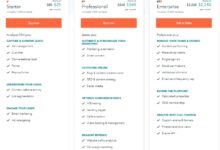
| Starter | $50/month | Basic CRM and email marketing |
| Professional | $800/month | Marketing automation and lead scoring |
| Enterprise | $3200/month | Advanced reporting and custom workflows |
Microsoft Dynamics 365
| Package | Price | Key Features |
|---|---|---|
| Customer Engagement Plan | $115/user/month | Unified customer data platform |
| Sales | $95/user/month | Sales force automation |
| Customer Service | $80/user/month | Service case management |
Tips for Reducing CRM Software Costs
Implementing CRM software on a budget can be a challenging task for companies. Here are some cost-saving strategies to help reduce CRM software costs:
Opting for Open-Source CRM Software Solutions
Open-source CRM software solutions can be a cost-effective alternative to proprietary systems. These solutions often come with lower upfront costs and can be customized to meet specific business needs without expensive licensing fees.
Leveraging Free CRM Tools or Trials
Many CRM vendors offer free trials or basic versions of their software. By taking advantage of these offers, companies can test the software’s functionality and suitability for their needs before committing to a full purchase, thus reducing the initial investment in CRM software.
Negotiating with CRM Software Vendors
It’s essential to negotiate with CRM software vendors to secure discounts or flexible payment terms. Vendors are often willing to provide discounts or special offers to win new customers, so don’t hesitate to discuss pricing options that fit your budget.
Conducting a Thorough Cost-Benefit Analysis
Before selecting a CRM software, it’s crucial to conduct a comprehensive cost-benefit analysis. This analysis should consider not only the initial software costs but also factors such as implementation, training, maintenance, and potential ROI to ensure the best value for the budget.
Training Employees Effectively
Properly training employees on CRM software can maximize efficiency and minimize additional costs. Investing in training programs or workshops can help employees understand the software’s capabilities, leading to better utilization and fewer errors that could result in costly mistakes.
Using Integration Tools or Plugins
Integration tools or plugins can help streamline CRM software implementation and reduce customization expenses. These tools allow for seamless integration with existing systems, simplifying the implementation process and potentially saving costs on custom development work.
Customization Costs in CRM Software
Customization in CRM software refers to the process of tailoring the software to meet specific business needs and requirements. While off-the-shelf CRM solutions offer standard features and functionalities, customization allows businesses to have a more personalized system that aligns with their unique processes. However, this customization comes at a cost and can significantly impact the overall price of CRM software.
Trade-offs between Off-the-Shelf and Customized CRM Solutions
Customized CRM software offers the advantage of meeting specific business needs and enhancing user experience. On the other hand, off-the-shelf solutions are more cost-effective and have faster implementation times. Businesses need to consider factors such as budget, timeline, and the level of customization required when deciding between the two options.
- Off-the-shelf CRM solutions: These are pre-built software packages that come with standard features and functionalities. They are more affordable and have quicker implementation times compared to customized solutions. However, they may not fully meet the unique requirements of every business.
- Customized CRM software: Tailored to meet specific business needs, customized CRM software offers enhanced functionality and flexibility. Businesses can add or modify features to align with their processes. While this provides a more personalized solution, it comes at a higher cost and longer implementation timeline.
Examples of Customization Options Impacting CRM Software Pricing
Customization options that can impact CRM software pricing include:
- Customized workflows and processes: Businesses can tailor CRM workflows to match their specific sales, marketing, and customer service processes.
- Integration with third-party applications: Customizing CRM software to integrate with other business tools and systems can increase costs but improve overall efficiency.
- Unique reporting and analytics requirements: Customizing CRM software to generate custom reports and analytics dashboards tailored to specific business needs.
Total Cost of Ownership (TCO) in CRM Software
Total Cost of Ownership (TCO) refers to the overall cost associated with acquiring, implementing, and maintaining a CRM software solution over its entire lifecycle. It goes beyond the initial purchase price to consider all expenses involved in using the software effectively.
Components of TCO in CRM Software
- Licensing fees: Initial cost of purchasing the software and any recurring subscription fees.
- Implementation costs: Expenses related to customizing the software, training employees, and integrating it with existing systems.
- Maintenance and support: Costs of ongoing technical support, software updates, and troubleshooting.
- Hardware and infrastructure: Investment in servers, storage, and other IT infrastructure needed to run the CRM software.
- Integration and data migration: Expenses associated with connecting the CRM software with other business applications and transferring existing data.
Importance of Considering TCO in CRM Software Investments
Total Cost of Ownership is crucial for businesses to make informed decisions about CRM software investments. By understanding the complete cost picture, organizations can avoid unexpected expenses and budget more accurately. TCO analysis helps in evaluating different CRM solutions based on long-term costs rather than just the initial price tag, ensuring that the chosen software aligns with the company’s budget and requirements.
Cost Allocation for CRM Software Maintenance
Maintaining a CRM software system is crucial for its optimal performance and longevity. Budgeting for maintenance costs is essential to ensure that the software continues to support your business effectively over time.
Best Practices for Budgeting Maintenance Costs
- Estimate annual maintenance expenses based on historical data and projected growth.
- Allocate a percentage of the initial software purchase cost for ongoing maintenance.
- Consider the complexity of your CRM system and the level of support needed when setting maintenance budgets.
Importance of Ongoing Support and Maintenance
- Regular maintenance helps prevent system downtime and ensures data integrity.
- Long-term maintenance costs are a significant part of the total cost of ownership of CRM software.
- Investing in maintenance can lead to higher ROI by extending the lifespan of the software.
Forecasting and Managing Long-Term Maintenance Expenses
- Use predictive analytics to estimate future maintenance needs and costs.
- Implement a proactive maintenance strategy to address issues before they become major problems.
- Regularly review and adjust maintenance budgets based on changing business needs.
Factors to Consider in Estimating Annual Maintenance Budget
- Software updates and patches frequency.
- Level of customization and integration with other systems.
- Vendor support and service level agreements.
Approaches to Categorize and Allocate Maintenance Costs
- Breakdown maintenance costs by software licenses, support services, and infrastructure.
- Allocate costs based on the criticality of different system components.
- Track maintenance costs by department or business unit for better cost control.
Metrics for Tracking Maintenance Spending Effectiveness
- Percentage of maintenance budget spent on proactive vs. reactive maintenance.
- Downtime reduction metrics after maintenance activities.
- Customer satisfaction scores related to system performance and reliability.
Negotiating Maintenance Contracts with Vendors
- Discuss long-term maintenance needs upfront to negotiate favorable terms.
- Consider bundling maintenance services with initial software purchases for cost savings.
- Ensure clear SLAs and escalation procedures are in place for efficient issue resolution.
Role of Internal Resources vs. External Service Providers
- Leverage internal IT resources for routine maintenance tasks to reduce external service costs.
- Engage external providers for specialized maintenance needs or to fill resource gaps.
- Collaborate with vendors for training internal staff to handle basic maintenance tasks effectively.
Industry Trends Impacting CRM Software Costs
The landscape of CRM software costs is continuously evolving, with various industry trends playing a significant role in shaping pricing models. Factors such as AI integration, automation, cybersecurity concerns, and emerging technologies are all influencing the costs associated with CRM software solutions.
AI Integration and Automation
Incorporating artificial intelligence (AI) and automation capabilities into CRM software can enhance efficiency, productivity, and customer insights. However, the advanced technologies required for AI integration and automation come at a cost, impacting the overall pricing of CRM software. Companies investing in cutting-edge AI functionalities may incur higher expenses but can potentially benefit from improved customer interactions and streamlined processes.
Cybersecurity Concerns
As cybersecurity threats continue to pose risks to businesses worldwide, the need for robust security measures within CRM software is paramount. Vendors are increasingly investing in enhancing data protection, encryption, and compliance features to address cybersecurity concerns. The implementation of stringent security protocols can result in higher CRM software costs to ensure data integrity and safeguard customer information.
Emerging Technologies
The integration of emerging technologies such as blockchain, IoT (Internet of Things), and predictive analytics is revolutionizing CRM software capabilities. These innovative technologies offer valuable insights, personalized customer experiences, and real-time data analysis. While leveraging these technologies can drive competitive advantages, the adoption and integration costs can impact the overall pricing of CRM software solutions. Companies exploring the use of emerging technologies must consider the associated expenses and potential ROI when evaluating CRM software costs.
Final Thoughts
In conclusion, navigating the realm of CRM software costs requires a keen eye for detail and a strategic mindset. By carefully considering the various factors that influence pricing, businesses can make cost-effective choices that align with their objectives. Stay informed, stay proactive, and watch your CRM software investment flourish.
