CRM system pricing is a crucial aspect of any business operation, influencing decisions and strategies. From different pricing models to scalability considerations, this guide delves into the intricacies of pricing strategies in the CRM industry.
Understanding CRM System Pricing
CRM system pricing refers to the cost associated with implementing and using a Customer Relationship Management (CRM) system in a business. It plays a crucial role in helping organizations manage interactions with current and potential customers effectively. Pricing structures vary depending on the features, scalability, and customization options offered by different CRM providers.

Factors Influencing CRM System Pricing
- Features and Functionality: The more advanced features a CRM system offers, the higher the pricing is likely to be. These features may include lead management, sales forecasting, marketing automation, and customer support tools.
- Customization Options: The ability to tailor the CRM system to meet specific business needs can impact pricing. Customizations such as workflow automation, integration with other software, and personalized reporting can add to the overall cost.
- User Licenses: The number of users who will be accessing the CRM system can influence pricing. Some providers charge per user, while others offer tiered pricing based on the number of users or seats required.
- Deployment Method: Whether the CRM system is hosted on-premise or in the cloud can affect pricing. Cloud-based solutions typically involve subscription-based pricing, while on-premise solutions may require upfront investment in hardware and software licenses.
Common Pricing Models in the CRM Industry
- Per User Pricing: This model charges a fee for each user who accesses the CRM system. The cost may vary based on the level of access and features required by each user.
- Subscription-Based Pricing: Users pay a recurring subscription fee to access the CRM system. This model often includes updates, maintenance, and support services as part of the package.
- Enterprise Pricing: Tailored for larger organizations, this model offers customized pricing based on the specific needs and scale of the business. Pricing is usually negotiated based on factors such as the number of users, data storage requirements, and additional services.
Types of CRM System Pricing
When it comes to pricing for CRM systems, there are several models that businesses can choose from based on their needs and budget. Let’s explore the different types of CRM system pricing options below.
One-time Payment vs. Subscription-based Pricing
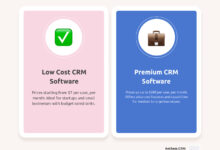
One-time payment pricing involves a single upfront cost for the CRM system, allowing users to own the software outright. On the other hand, subscription-based pricing requires regular payments at intervals (monthly, quarterly, annually) to access the CRM system. While one-time payment may seem cost-effective in the long run, subscription-based pricing often includes updates, maintenance, and support services.
Pay-per-User Pricing Models
Pay-per-user pricing models charge based on the number of users accessing the CRM system. This model offers flexibility as businesses can adjust costs according to their workforce size. However, it can become expensive as the number of users increases, making it essential to consider the scalability of this pricing model.
Customized Pricing Options
Some CRM providers offer customized pricing options based on specific business requirements. This allows businesses to tailor the CRM system to their needs, potentially saving costs by eliminating unnecessary features. Customized pricing can be advantageous for businesses with unique workflows or industry-specific needs.
Scalability of Pricing Structures
The scalability of pricing structures in CRM systems refers to the ability to adapt costs as the business grows or changes. Flexible pricing structures that accommodate scaling up or down can be beneficial for businesses with fluctuating user numbers or requirements. It is essential to choose a pricing model that aligns with the organization’s growth strategy.
Impact of Add-on Features on Overall Cost
Add-on features in CRM systems can significantly impact the overall cost. While these features may enhance functionality and customization, they often come at an additional price. Businesses should carefully evaluate the necessity and cost-effectiveness of add-on features to ensure they are getting value for money.
Cost-effectiveness of Long-term Contracts vs. Monthly Billing
Long-term contracts often offer discounts or incentives compared to monthly billing options for CRM solutions. While long-term contracts can be cost-effective in the long run, they may limit flexibility and scalability. Monthly billing provides more flexibility but may result in higher overall costs. Businesses should weigh the pros and cons of each option based on their financial goals and operational needs.
Factors Influencing CRM System Pricing
Factors influencing CRM system pricing can vary based on a variety of elements that impact the overall cost of implementing and using a CRM system. Let’s delve into the key factors that play a role in determining the pricing structure of CRM systems.
Impact of Features and Functionalities
The features and functionalities offered by a CRM system heavily influence its pricing. Advanced features such as AI-driven analytics, automation capabilities, and integrations with third-party tools can significantly increase the cost of a CRM system.
Size and Scale of Business
The size and scale of a business also play a crucial role in determining CRM system pricing. Larger enterprises with complex requirements may need more robust and customizable CRM solutions, leading to higher costs compared to smaller businesses with simpler needs.
Role of Integrations and Add-ons
Integrations with other business tools and the availability of add-ons can impact CRM system pricing. Additional integrations or add-ons may incur extra costs, especially if they are not included in the base package offered by the CRM vendor.
Influence of Customization Options
Customization options allow businesses to tailor the CRM system to their specific needs. However, extensive customization can drive up the price of the CRM system, as it requires additional development work and resources.
Subscription Models
The subscription model chosen by a business, whether monthly or annually, can affect CRM system pricing. Annual subscriptions often come with discounts or cost savings compared to monthly subscriptions, providing businesses with more cost-effective options.
Industry-specific Requirements
Different industries may have unique requirements that impact CRM system pricing. For example, healthcare organizations may require HIPAA compliance, while financial institutions may need specific security features, leading to customized solutions with varying price points.
Pricing Strategies of CRM Vendors
Various CRM vendors may have different pricing strategies, such as tiered pricing based on features, user-based pricing, or usage-based pricing. Understanding the pricing strategies of different vendors can help businesses choose a solution that aligns with their budget and requirements.
Cloud-based vs. On-premise Deployment
The deployment option, whether cloud-based or on-premise, can also affect CRM system pricing. Cloud-based solutions typically involve subscription fees, while on-premise deployments may require upfront investments in hardware and maintenance costs, influencing the overall pricing structure of CRM systems.
Pricing Strategies in the CRM Industry
In the competitive landscape of the CRM industry, pricing strategies play a crucial role in attracting and retaining customers. Let’s delve into the various pricing strategies adopted by CRM vendors and their impact on customer acquisition and retention.
Competitive Pricing Strategies
- CRM vendors often utilize competitive pricing strategies such as value-based pricing, where the price is determined by the perceived value of the product or service to the customer.
- Another common strategy is penetration pricing, where CRM providers set low initial prices to gain market share quickly.
- Some companies opt for premium pricing, positioning their CRM solutions as high-end products with advanced features and functionalities.
Pricing Tiers Structure
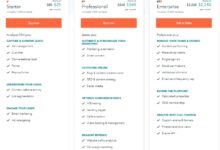
- CRM systems typically offer tiered pricing structures, with different levels of features and capabilities at each tier.
- Basic tiers may include essential CRM functionalities, while higher tiers may offer advanced features like AI integration, customization options, and dedicated support.
- Customers can choose a pricing tier that aligns with their needs and budget, providing flexibility and scalability.
Comparison of Leading CRM Providers
- Leading CRM providers like Salesforce, HubSpot, and Zoho CRM employ different pricing strategies tailored to their target market segments.
- Salesforce, for instance, offers multiple pricing tiers based on the size and requirements of businesses, while HubSpot provides a freemium model with paid add-ons for additional features.
- Analyzing the pricing strategies of these market leaders can offer insights into industry trends and customer preferences.
Impact on Customer Acquisition and Retention
- Effective pricing strategies can attract new customers by offering value for money and meeting their specific needs.
- By providing transparent pricing options and clear value propositions, CRM vendors can enhance customer retention and loyalty.
- Balancing competitive pricing with product quality and customer service is essential for long-term success in the CRM industry.
Hidden Costs in CRM System Pricing
When considering CRM system pricing, it is crucial to be aware of potential hidden costs that may arise during implementation and maintenance. These costs can significantly impact the overall price of the CRM system and should not be overlooked.
Ongoing Maintenance and Support Costs
It is essential to factor in ongoing maintenance and support costs when budgeting for a CRM system. These costs can include software updates, technical support, and system upgrades, which are necessary to ensure the system runs smoothly and efficiently over time.
Data Migration Costs
Data migration is a critical aspect of implementing a CRM system, as it involves transferring existing data from legacy systems to the new CRM platform. This process can be complex and time-consuming, leading to additional costs for data cleansing, mapping, and validation.
Training Costs
Training costs are often underestimated but play a significant role in the successful adoption of a CRM system. Proper training ensures that users understand how to effectively use the system, maximizing its benefits and ROI. Training costs can vary depending on the complexity of the system and the number of users requiring training.
Negotiating CRM System Pricing
When it comes to negotiating CRM system pricing, there are several key tips to keep in mind to ensure you get the best deal possible. Understanding the ins and outs of the pricing structure and being prepared to leverage competition can make a significant difference in the final agreement.
Importance of Understanding Contract Terms and Conditions
Before entering into negotiations, it is crucial to thoroughly understand the contract terms and conditions associated with the CRM system pricing. This includes payment schedules, customization options, support services, and any potential penalties or fees. By having a clear grasp of these details, you can negotiate more effectively and avoid any surprises down the line.
Strategies for Leveraging Competition
One effective strategy for negotiating better CRM system pricing is to leverage competition among vendors. By obtaining quotes from multiple providers and highlighting competitive offers, you can encourage vendors to lower their prices or offer additional incentives to secure your business. This can create a more competitive environment and give you more bargaining power during negotiations.
Cost-Benefit Analysis of CRM System Pricing
When considering investing in a CRM system, conducting a cost-benefit analysis is crucial to determine if the benefits outweigh the costs involved. This analysis helps businesses evaluate the potential return on investment (ROI) and make an informed decision.
Demonstrate how to conduct a cost-benefit analysis before investing in a CRM system
A cost-benefit analysis involves identifying and quantifying all costs associated with implementing a CRM system, such as initial setup, customization, training, and ongoing maintenance. On the other hand, businesses need to estimate the benefits, including improved customer satisfaction, increased sales, enhanced marketing efforts, and streamlined operations. By comparing these costs and benefits, organizations can determine if investing in a CRM system is financially viable.
Discuss the value proposition of CRM systems in relation to their pricing
CRM systems offer a range of benefits, including centralized customer data, improved communication, targeted marketing campaigns, and better customer service. These features contribute to increased efficiency, productivity, and profitability for businesses. The pricing of CRM systems should align with the value they provide to organizations, ensuring a positive ROI and long-term success.
Evaluate the ROI of implementing a CRM system based on pricing considerations
When evaluating the ROI of a CRM system, businesses should consider both tangible and intangible benefits. Tangible benefits include cost savings, revenue growth, and increased customer retention, which can be quantified. Intangible benefits, such as brand loyalty, customer satisfaction, and improved decision-making, are equally important but harder to measure. By analyzing the overall impact of a CRM system on the business and comparing it to the initial investment, organizations can determine the ROI and assess the effectiveness of their pricing strategy.
CRM System Pricing Trends
CRM system pricing trends are constantly evolving in response to market demands and technological advancements. Below, we explore some of the current trends shaping the pricing landscape of CRM systems.
Usage-Based Pricing Models
- Usage-based pricing models have gained popularity in the CRM industry, allowing companies to pay based on the actual usage of the system rather than a fixed fee.
- This pricing model offers more flexibility for businesses with fluctuating needs and can result in cost savings for those with varying usage patterns.
- Companies can scale their CRM usage up or down based on demand, ensuring they only pay for what they use.
Impact of AI and Automation
- Advancements in AI and automation have revolutionized CRM systems, leading to more efficient processes and enhanced customer insights.
- AI-driven features can personalize customer interactions, automate routine tasks, and streamline workflows, increasing the value proposition of CRM systems.
- As AI and automation capabilities continue to improve, CRM vendors may adjust their pricing models to reflect the added benefits these technologies bring.
Cloud-Based CRM Solutions
- Cloud-based CRM solutions have had a significant impact on pricing trends in the industry, offering lower upfront costs and increased accessibility.
- Subscription-based pricing models for cloud CRM systems have become more prevalent, allowing companies to pay on a recurring basis without the need for substantial upfront investment.
- Cloud-based CRM solutions also provide scalability and flexibility, enabling businesses to adjust their usage and features according to their evolving needs.
Customization Options and Pricing
Customization options play a significant role in determining the pricing of CRM systems. Tailored CRM solutions offer a range of benefits that can impact the overall cost of the system. Let’s explore how customization options influence pricing structures and the ROI of investing in customized CRM features.
Impact of Customization on CRM Pricing
- Customization options such as personalized workflows, unique reporting features, and integration capabilities can increase the price of a CRM system.
- Businesses often opt for customization to meet their specific needs and enhance user experience, which can lead to higher costs.
- Modular or customizable CRM features may come at an additional cost compared to standard, out-of-the-box solutions.
Examples of Customization Options
- Customized dashboards with tailored analytics and insights
- Integration with third-party software applications
- Personalized customer segmentation and targeted marketing campaigns
Comparing Customization Levels in CRM Solutions
- Basic customization levels may include minor tweaks to existing features, while advanced levels offer extensive modifications and integrations.
- Pricing differences can vary based on the level of customization needed, with advanced options typically costing more.
- The ROI of investing in customized CRM features lies in improved efficiency, better customer engagement, and increased revenue over time.
Scalability and Customization Impact on Pricing
- Scalability of a CRM system, coupled with customization levels, can impact pricing based on the flexibility and adaptability required for future growth.
- Businesses looking to scale operations and expand their customer base may need highly customizable CRM solutions, which can come at a higher price point.
Pricing Transparency in CRM Systems
Pricing transparency is a critical aspect for CRM vendors as it involves openly sharing pricing information with customers, leading to increased trust and credibility in the market. This transparency helps in building a strong relationship with customers based on honesty and clear communication.
Importance of Pricing Transparency for CRM Vendors
- Enhances trust and credibility with customers.
- Reduces the chances of misunderstandings or hidden costs.
- Increases customer satisfaction and loyalty.
Ways CRM Vendors Can Improve Transparency in Pricing Models
- Provide clear breakdown of pricing components.
- Offer pricing calculators or tools for customers to estimate costs.
- Regularly update pricing information on the website.
Examples of CRM Vendors with Transparent Pricing Strategies
- HubSpot: Clearly lists pricing plans and features on their website.
- Salesforce: Offers transparent pricing with detailed information on various packages.
Risks and Challenges of Implementing Transparent Pricing in CRM Systems
- Potential loss of competitive advantage.
- Difficulty in pricing differentiation among competitors.
- Managing customer expectations effectively.
Impact of Transparent Pricing on Customer Retention and Acquisition
- Improves trust and loyalty among existing customers.
- Attracts new customers seeking transparent pricing policies.
- Enhances overall customer experience and satisfaction.
Step-by-Step Guide for CRM Vendors Transitioning to Transparent Pricing
- Conduct a thorough review of current pricing structure.
- Communicate openly with customers about the upcoming changes.
- Update pricing information on all platforms and marketing materials.
Role of Customer Feedback and Market Research in Pricing Strategy
- Customer feedback helps in understanding pricing preferences.
- Market research provides insights into competitor pricing strategies.
- Both play a crucial role in determining the right pricing model for CRM vendors.
Benefits of Offering Customizable Pricing Options Alongside Transparency
- Meets the diverse needs of different customer segments.
- Allows customers to tailor pricing plans to their specific requirements.
- Increases flexibility and customer satisfaction in pricing options.
Framework for Measuring Effectiveness of Pricing Transparency Initiatives
- Track customer satisfaction and feedback related to pricing transparency.
- Analyze customer retention and acquisition rates post-implementation.
- Compare pricing transparency with competitors in the market.
Case Studies on CRM System Pricing
In this section, we will explore real-world examples of companies that have benefited from competitive CRM system pricing. We will analyze how pricing strategies have impacted the adoption of CRM systems and discuss successful implementations with cost-effective pricing structures.
Case Study 1: Company A
Company A, a mid-sized retail business, saw a significant increase in sales and customer satisfaction after implementing a CRM system with a tiered pricing structure. By offering different pricing plans based on the number of users and features needed, Company A was able to tailor their CRM solution to their specific requirements while keeping costs manageable. This flexibility in pricing helped Company A achieve a quick return on investment and improve overall operational efficiency.
Case Study 2: Company B
Company B, a large manufacturing company, struggled with low user adoption rates of their CRM system due to high upfront costs and complex pricing models. After revamping their pricing strategy to offer a simplified and transparent pricing structure, Company B saw a significant increase in user engagement and productivity. The new pricing model not only reduced costs for the company but also improved the overall user experience, leading to better utilization of the CRM system across different departments.
Case Study 3: Company C
Company C, a tech startup, leveraged a freemium pricing model for their CRM system, offering basic features for free with the option to upgrade to a premium plan for advanced functionalities. This pricing strategy allowed Company C to attract a large number of users and quickly establish a strong customer base. As the company grew, they were able to upsell premium features to their existing users, generating significant revenue while maintaining a competitive edge in the market.
CRM System Pricing and Scalability
In the realm of CRM system pricing, scalability plays a crucial role for businesses looking to expand and grow their operations. Scalability refers to the ability of a CRM system to adapt and accommodate the changing needs and size of a business over time. Let’s delve into how pricing scalability is essential for businesses utilizing CRM systems.
Pricing Options for Scalability
- Per-User Pricing: This model charges businesses based on the number of users accessing the CRM system. As the business grows and adds more users, the cost increases accordingly.
- Usage-Based Pricing: With this model, businesses pay based on the features and functionalities they utilize. As the business scales up its CRM usage, the cost adjusts to reflect the increased usage.
- Tiered Pricing: Businesses can choose from different tiers of service based on their needs. This allows them to start with a basic package and upgrade to higher tiers as their requirements evolve.
Impact of Scalability on Long-Term Costs
Scalability directly influences the long-term costs associated with CRM system pricing. A scalable pricing model ensures that businesses can expand their CRM usage without incurring significant additional expenses.
Pay-As-You-Grow Pricing
- Pay-as-you-grow pricing is a flexible model that allows businesses to start with a basic package and gradually increase their CRM usage as needed.
- By paying only for the features and services they require at any given time, businesses can control costs and align expenses with their growth trajectory.
Cost Projection Chart
| Number of Users | Usage-Based Pricing | Per-User Pricing | Tiered Pricing |
|---|---|---|---|
| 1-10 | $X | $Y | $Z |
| 11-50 | $X1 | $Y1 | $Z1 |
| 51-100 | $X2 | $Y2 | $Z2 |
CRM System Pricing and Customer Support
Customer support services play a crucial role in the overall pricing of CRM systems. The quality and level of customer support provided by a CRM vendor can often justify higher pricing for their products. Let’s delve deeper into the relationship between CRM system pricing and customer support.
Role of Customer Support in CRM System Pricing
Customer support quality is a key factor that can influence the pricing of CRM systems. Vendors that offer excellent customer support services, such as 24/7 availability, personalized assistance, and multiple support channels, may charge a premium for their products. This is because reliable customer support can enhance the overall user experience and ensure that customers get the most out of their CRM investment.
- 24/7 Customer Support Availability: The round-the-clock availability of customer support can significantly impact CRM system pricing. Vendors that provide 24/7 support may charge higher prices to cover the costs associated with maintaining a dedicated support team at all times.
- Personalized Support Options: CRM systems that offer personalized support options, such as dedicated account managers or customized training programs, may come with a higher price tag. These additional support services can help customers tailor the CRM system to their specific needs and maximize its effectiveness.
Pricing Models with Varying Customer Support Levels
Some CRM vendors offer tiered pricing models based on different levels of customer support included. For example, a basic package may include standard email support, while a premium package may offer 24/7 phone support and personalized training sessions. Customers can choose the pricing tier that best aligns with their support needs and budget.
- Examples of CRM Vendors with Tiered Pricing: Salesforce, HubSpot, and Zoho CRM are examples of CRM vendors that offer tiered pricing based on different levels of customer support. Customers can select the package that meets their support requirements and budget constraints.
- Impact of Customer Support Channels: The availability of multiple customer support channels, such as chat, email, and phone support, can influence the pricing strategy of CRM systems. Vendors that offer a variety of support options may charge higher prices to cover the costs of maintaining a comprehensive support infrastructure.
Enhancing Customer Support Offerings for Premium Pricing
To justify premium pricing, CRM providers can enhance their customer support offerings by implementing strategies such as proactive support, self-service portals, and personalized onboarding experiences. By providing exceptional customer support services, vendors can differentiate themselves in the market and attract customers willing to pay a premium for superior support.
International Pricing Considerations for CRM Systems
Setting international pricing for CRM systems comes with its own set of challenges and strategies to ensure competitiveness and profitability in diverse global markets. Currency exchange rates and regional regulations play a crucial role in determining the pricing strategies for CRM solutions.
Impact of Currency Exchange Rates
Currency exchange rates fluctuations can significantly impact the pricing of CRM systems in international markets. Companies need to closely monitor exchange rate movements and adjust their pricing strategies accordingly to remain competitive and maintain profitability.
Compliance with Regional Regulations
Regional regulations and compliance requirements vary across different countries, affecting the pricing of CRM systems. Companies need to factor in additional costs related to compliance with data protection laws, privacy regulations, and other legal requirements when setting prices for international markets.
Adjustments for Diverse Global Markets
Each global market has its own unique characteristics, preferences, and purchasing power. Pricing adjustments need to be made to cater to the specific needs and expectations of customers in different regions. Companies may offer tiered pricing plans, localization options, or discounts to attract customers in diverse global markets.
Future Outlook on CRM System Pricing
The future of CRM system pricing is poised to undergo significant transformations in the upcoming years. Advancements in technology, changing market demands, and innovations within the CRM industry will play a crucial role in shaping pricing strategies. Let’s delve into the potential trends and developments that may influence the pricing landscape of CRM systems.
Impact of Artificial Intelligence on Dynamic Pricing Strategies
Artificial intelligence (AI) is expected to revolutionize pricing strategies within the CRM industry. AI-powered algorithms can analyze vast amounts of data to determine dynamic pricing strategies based on real-time market trends, customer behavior, and competitor pricing. This personalized approach to pricing can lead to optimized pricing models that cater to individual customer needs and maximize revenue.
Subscription-Based Pricing vs. One-Time Purchase Options
The shift towards subscription-based pricing models is likely to continue in the CRM market. Subscription models offer customers the flexibility to pay on a recurring basis, providing a steady revenue stream for CRM vendors. On the other hand, one-time purchase options may still appeal to certain customer segments who prefer a one-time investment. CRM vendors will need to balance these pricing models to cater to a diverse customer base.
Role of Customization Options in Pricing Structures
Customization options will play a crucial role in shaping pricing structures within the CRM industry. As customers seek tailored solutions to meet their unique business needs, CRM vendors will need to offer flexible pricing tiers based on the level of customization required. Pricing may vary depending on the number of users, features, and integrations, allowing customers to choose a pricing plan that aligns with their specific requirements.
Correlation Between Industry-Specific Features and Pricing Tiers
Industry-specific features will continue to drive pricing differentiation in CRM systems. Vendors may offer specialized features and functionalities tailored to specific industries, such as healthcare, finance, or retail. These industry-specific solutions may be priced differently based on the value they provide to customers within that particular sector. The correlation between industry-specific features and pricing tiers will enable CRM vendors to cater to the unique needs of diverse industries effectively.
Wrap-Up
In conclusion, navigating the realm of CRM system pricing requires a deep understanding of various factors and trends. By analyzing pricing strategies and customer segmentation techniques, businesses can make informed decisions to optimize their CRM investments.
