CRM for Sales and Marketing Automation revolutionizes the way businesses operate, enhancing efficiency and boosting productivity. As companies strive to stay competitive in a fast-paced market, the utilization of CRM systems becomes paramount for success. From organizing customer data to implementing AI technology, the possibilities are endless. Let’s dive into the realm of CRM for Sales and Marketing Automation and explore the endless opportunities it offers.
Overview of CRM for Sales and Marketing Automation
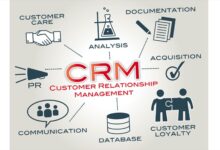
CRM, or Customer Relationship Management, plays a crucial role in enhancing sales and marketing processes by efficiently managing customer interactions and data. By utilizing CRM systems, businesses can streamline their operations, improve customer relationships, and drive revenue growth. These systems help in organizing customer data, automating tasks, and facilitating targeted marketing campaigns.

Implementing CRM Strategies for Customer Retention
Customer retention is a key aspect of sales and marketing as it focuses on maintaining and nurturing existing customer relationships. CRM strategies can be implemented to enhance customer retention rates by analyzing customer behavior, preferences, and feedback to tailor personalized experiences. By leveraging CRM tools, businesses can improve customer loyalty through targeted communication and engagement strategies.
Integrating AI and Machine Learning in CRM Systems
The integration of AI and machine learning in CRM systems revolutionizes sales and marketing automation by providing advanced insights and predictive analytics. AI-powered features within CRM platforms automate tasks, analyze customer data, and offer personalized recommendations to enhance customer engagement. Despite the challenges of integrating AI, such as data privacy concerns and implementation complexities, the benefits of improved efficiency and accuracy outweigh the obstacles.
Key Features of CRM Systems for Sales and Marketing
CRM systems tailored for sales and marketing automation come equipped with essential features that streamline operations and enhance productivity.
Lead Management and Tracking
- Centralized Database: CRM systems provide a centralized location to store and manage all leads, ensuring easy access and organization.
- Lead Scoring: Allows for the prioritization of leads based on their likelihood to convert, enabling sales teams to focus on high-potential prospects.
- Activity Tracking: Tracks interactions with leads, including emails, calls, and meetings, providing valuable insights into lead behavior.
- Automated Lead Assignment: Assigns leads to the appropriate sales representatives automatically, ensuring timely follow-ups and personalized interactions.
Integration with Marketing Automation Tools
CRM systems seamlessly integrate with marketing automation tools to enhance efficiency and effectiveness in sales and marketing processes.
- Lead Nurturing: Aligns marketing efforts with sales activities, ensuring a cohesive approach to engaging and nurturing leads throughout the sales funnel.
- Campaign Management: Enables the tracking and analysis of marketing campaigns, allowing for data-driven decision-making and optimization.
- Personalized Communication: Utilizes data from CRM systems to personalize marketing communication, enhancing engagement and driving conversions.
- Analytics and Reporting: Provides in-depth analytics and reporting capabilities, allowing for the measurement of campaign effectiveness and ROI.
Implementing CRM for Sales and Marketing
Implementing a CRM system for sales and marketing teams involves several key steps to ensure a successful transition and alignment with business strategies.
Customizing CRM Workflows for Sales and Marketing Alignment
Customizing CRM workflows is essential to align with specific sales and marketing strategies. Some tips for customization include:
- Identify key sales and marketing processes that need automation
- Create custom fields to capture unique data points for sales and marketing campaigns
- Set up automated workflows for lead nurturing and follow-up processes
- Integrate CRM with marketing automation tools for seamless lead management
Challenges and Solutions for Successful CRM Implementation
Challenges in CRM implementation for sales and marketing include resistance to change, lack of user adoption, and data migration issues. Solutions involve:
- Provide comprehensive training and support for users to ensure adoption
- Address data quality issues before migration to prevent data loss
- Engage stakeholders early in the process to gain buy-in and support
Importance of Data Migration in CRM Transition
Data migration is crucial when transitioning to a new CRM system to ensure continuity of data and business operations. It involves:
- Cleaning and organizing existing data for accurate migration
- Mapping data fields between old and new CRM systems for seamless transfer
- Testing data migration processes to identify and resolve any issues
Setting Up User Permissions and Access Levels in CRM
Establishing user permissions and access levels within the CRM platform is essential for data security and privacy. The process includes:
- Defining roles and responsibilities for each user group
- Setting up permission levels based on job functions and data sensitivity
- Regularly reviewing and updating user permissions to align with organizational changes
Integrating CRM with Existing Sales and Marketing Tools
Integrating CRM with existing sales and marketing tools enhances operational efficiency and data sharing. Methods for integration include:
- Using API connections to sync data between CRM and other tools
- Implementing plugins or extensions for seamless integration with email marketing platforms
- Customizing CRM dashboards to display data from various marketing channels for better insights
Integrating CRM with Marketing Automation Tools
Integrating CRM with marketing automation tools can bring numerous benefits to businesses looking to streamline their lead nurturing and conversion processes.
Benefits of Integrating CRM with Marketing Automation Tools
- Improved Lead Tracking: By integrating CRM with marketing automation tools, businesses can effectively track leads throughout the entire sales funnel, from initial contact to conversion.
- Enhanced Personalization: This integration allows for personalized communication with leads based on their interactions and behavior, increasing the chances of conversion.
- Efficient Workflow: CRM and marketing automation integration automates repetitive tasks, freeing up time for sales and marketing teams to focus on more strategic activities.
- Better Analytics: The combined data from CRM and marketing automation tools provides valuable insights into lead behavior, campaign performance, and overall ROI.
Examples of Popular CRM and Marketing Automation Tool Integrations
| CRM | Marketing Automation Tool |
|---|---|
| Salesforce | HubSpot |
| Microsoft Dynamics 365 | Marketo |
| Zoho CRM | Pardot |
Data Management in CRM for Sales and Marketing
Data management plays a crucial role in CRM systems for sales and marketing, ensuring that businesses can effectively utilize customer data to drive successful marketing campaigns and sales strategies.
Best Practices for Managing and Organizing Data within CRM Systems
Effective data management within CRM systems involves organizing customer information in a structured and easily accessible manner. Key best practices include:
- Regularly updating and verifying data to maintain accuracy
- Utilizing data encryption and security measures to protect sensitive information
- Implementing data governance policies to ensure compliance with regulations
Role of Data Analytics in Optimizing Sales and Marketing Strategies
Data analytics in CRM systems enable businesses to gain valuable insights from customer data, allowing them to optimize sales and marketing strategies based on trends and patterns. By analyzing data, organizations can make informed decisions to enhance customer engagement and drive revenue.
Personalizing Marketing Campaigns Based on Customer Data
CRM systems facilitate the personalization of marketing campaigns by leveraging customer data to create targeted and relevant messaging. By segmenting customers based on their preferences and behavior, businesses can deliver personalized content that resonates with individual customers, ultimately improving campaign effectiveness.
Data Segmentation in CRM for Targeted Marketing Efforts
Data segmentation involves categorizing customers into specific groups based on shared characteristics or behaviors. This process allows businesses to tailor marketing efforts to different customer segments, delivering customized messages that are more likely to resonate with each group.
Key Performance Indicators (KPIs) for Measuring CRM Data Management
Key performance indicators are used to measure the effectiveness of CRM data management practices. Examples of KPIs include:
- Data accuracy rate
- Data completeness rate
- Data duplication rate
Importance of Data Cleansing and Maintenance in CRM
Data cleansing and maintenance are essential to ensure the accuracy and reliability of CRM information. Regularly cleaning and updating data helps businesses eliminate errors, inconsistencies, and outdated information, leading to more effective decision-making and improved customer relationships.
Enhancing Customer Engagement with CRM
Customer engagement is a crucial aspect of any business looking to build strong relationships with its clients. With the help of CRM systems, companies can enhance customer engagement and satisfaction by personalizing interactions, providing timely support, and offering tailored solutions. By leveraging CRM tools effectively, businesses can improve customer interactions throughout the sales cycle, leading to increased loyalty and repeat business.
Role of CRM in Improving Customer Interactions
- CRM systems allow businesses to track customer preferences, purchase history, and communication history, enabling personalized interactions.
- Automated workflows in CRM can help streamline customer interactions, ensuring prompt responses and efficient service delivery.
- CRM data analytics provide valuable insights into customer behavior, allowing businesses to anticipate needs and proactively engage with customers.
Successful Customer Engagement Initiatives Driven by CRM
- Personalized marketing campaigns based on CRM data segmentation have led to higher conversion rates and increased customer engagement.
- Implementing automated follow-up emails and reminders through CRM systems has improved customer communication and satisfaction.
- Using CRM to centralize customer feedback and complaints has enabled businesses to address issues promptly and enhance customer relationships.
Reporting and Analytics Capabilities of CRM Systems
CRM systems offer robust reporting and analytics features that provide valuable insights into sales and marketing performance. These capabilities allow businesses to track, analyze, and measure the effectiveness of their campaigns, ultimately helping them make data-driven decisions to optimize their strategies.
Key Reporting and Analytics Features in CRM Systems
- Real-time Dashboards: CRM systems offer customizable dashboards that provide a quick overview of key metrics and KPIs.
- Advanced Reporting: Generate detailed reports on sales forecasts, pipeline analysis, lead conversion rates, and more.
- Data Segmentation: Segment data based on various criteria to gain a deeper understanding of customer behavior and preferences.
Measuring Campaign Effectiveness with CRM Analytics
- CRM analytics help in tracking the success of sales and marketing campaigns by analyzing metrics such as conversion rates, customer acquisition costs, and revenue generated.
- Identifying Trends: By analyzing historical data, businesses can identify trends and patterns to predict future outcomes and optimize their campaigns.
Importance of Data Visualization Tools
- Data visualization tools such as charts and graphs help in presenting CRM data in a visually appealing format, making it easier to interpret and analyze.
- Visualizing KPIs: Charts and graphs can visually represent key performance indicators (KPIs) such as customer acquisition rates, sales growth, and customer retention.
Common KPIs in CRM Reporting
- Sales Conversion Rate
- Customer Lifetime Value
- Lead Response Time
- Opportunity Win Rate
Creating Custom Reports in CRM Systems
- CRM systems allow users to create custom reports tailored to their specific business needs and requirements.
- Customizing Fields: Users can select the data fields and parameters they want to include in their reports for in-depth analysis.
Types of Charts and Graphs in CRM Analytics
- Bar Charts: Ideal for comparing data across different categories or time periods.
- Pie Charts: Useful for representing data as a percentage of a whole, such as market share or lead distribution.
- Line Graphs: Effective for showing trends and patterns over time, such as revenue growth or sales performance.
Mobile CRM for Sales and Marketing Teams
Mobile CRM applications have become essential tools for sales and marketing teams to stay connected and productive while on the go. These applications offer a wide range of benefits that enhance collaboration and efficiency among team members.
Benefits of Mobile CRM Applications
- Accessibility: Sales and marketing teams can access customer information, sales data, and marketing campaigns anytime, anywhere, increasing flexibility and responsiveness.
- Real-time Updates: Mobile CRM allows team members to receive real-time updates on leads, opportunities, and customer interactions, enabling quick decision-making.
- Improved Communication: With mobile CRM, team members can easily communicate with each other, share important updates, and collaborate on tasks, leading to better teamwork.
- Enhanced Productivity: By having key CRM features at their fingertips, sales and marketing professionals can work more efficiently, prioritize tasks, and focus on revenue-generating activities.
Choosing the Right Mobile CRM Solution
- Compatibility: Ensure the mobile CRM solution is compatible with the devices and operating systems used by your team members.
- User-Friendly Interface: Look for a mobile CRM application that is intuitive and easy to use, allowing for quick adoption and minimal training requirements.
- Offline Functionality: Consider a mobile CRM solution that offers offline access to data, ensuring productivity even in areas with poor network coverage.
- Integration Capabilities: Choose a mobile CRM application that seamlessly integrates with your existing CRM system and other essential tools used by your sales and marketing teams.
CRM Integration with E-commerce Platforms
Integrating CRM systems with e-commerce platforms can significantly enhance sales and marketing automation processes. By combining customer data from both systems, businesses can create personalized marketing campaigns, improve customer targeting, and streamline the overall shopping experience.
Advantages of CRM-E-commerce Integration
- Seamless Customer Data Management: Integrating CRM with e-commerce platforms allows for a centralized database of customer information, enabling businesses to track customer interactions, purchase history, and preferences all in one place.
- Personalized Marketing Campaigns: With access to comprehensive customer data, businesses can create targeted marketing campaigns based on customer behaviors and preferences, leading to higher conversion rates and increased customer loyalty.
- Improved Customer Service: Integration enables real-time updates on customer orders, shipping status, and inquiries, allowing for quicker response times and personalized customer support.
CRM-E-commerce Integration for Enhanced Shopping Experience
- Customized Product Recommendations: By leveraging CRM data on customer preferences and purchase history, e-commerce platforms can provide personalized product recommendations, increasing cross-selling and upselling opportunities.
- Seamless Checkout Process: Integration can streamline the checkout process by pre-populating customer information, reducing friction and enhancing the overall shopping experience.
- Automated Order Tracking: Customers can receive automated order updates and shipment notifications directly through the CRM system, improving transparency and communication.
CRM Platforms with E-commerce Integration
- Salesforce: Salesforce offers seamless integration with popular e-commerce platforms such as Shopify and Magento, allowing businesses to sync customer data, orders, and interactions for a unified view of customer relationships.
- HubSpot: HubSpot CRM integrates with e-commerce solutions like WooCommerce and BigCommerce, providing advanced marketing automation capabilities and personalized customer engagement.
- Zoho CRM: Zoho CRM offers integration with e-commerce platforms like Shopify and Amazon, enabling businesses to manage sales pipelines, customer interactions, and marketing campaigns efficiently.
CRM Security and Compliance Considerations
Data security and compliance are crucial aspects when utilizing CRM systems for sales and marketing. Ensuring the protection and privacy of customer information is paramount to maintain trust and meet regulatory requirements.
Importance of Data Security in CRM
- CRM systems play a vital role in safeguarding sensitive customer data from unauthorized access or breaches.
- Implementing robust security measures in CRM helps in preventing data leaks and maintaining customer trust.
- Adhering to compliance standards ensures that customer data is handled responsibly and in accordance with regulations.
Key Security Features in CRM Systems
- Role-based access controls to limit user permissions and access to sensitive information.
- Encryption of data at rest and in transit to protect against unauthorized interception.
- Audit trails to track user activities and changes made to the CRM system.
Compliance Standards and CRM
- CRM systems assist in complying with regulations like GDPR, HIPAA, or CCPA by providing tools for data management and privacy controls.
- Features such as consent management and data anonymization help in meeting the requirements of different compliance standards.
Preventive Measures for Security Threats
| Security Threats | Preventive Measures |
|---|---|
| Data Breaches | Regular security audits and updates, employee training on security best practices. |
| Phishing Attacks | Implement email authentication protocols, educate users on recognizing phishing attempts. |
| Unauthorized Access | Strong password policies, multi-factor authentication, and access control mechanisms. |
A lack of proper security measures in a company’s CRM system can lead to a data breach, compromising sensitive customer information. To prevent such incidents, organizations should prioritize implementing encryption, access controls, and regular security updates.
Training and Onboarding for CRM Systems
Training and onboarding are crucial steps in successfully introducing CRM systems to new sales and marketing team members. These sessions help familiarize employees with the tools and features of CRM systems, ensuring effective adoption and utilization within the organization.
Significance of Interactive Training Sessions
Interactive training sessions play a vital role in introducing CRM systems to new team members. By engaging participants through hands-on activities, demonstrations, and real-life scenarios, these sessions enhance learning outcomes and promote active participation.
- Encourage team members to actively explore CRM features during training sessions.
- Provide opportunities for practice and experimentation with different functionalities.
- Use role-playing exercises to simulate real-world CRM usage scenarios.
Creating Personalized Onboarding Plans
Tailoring onboarding plans to different roles within the organization ensures that team members receive relevant training based on their responsibilities and objectives. This personalized approach helps maximize the effectiveness of training sessions and accelerates the learning process.
Customize training materials to address specific needs and challenges faced by different roles.
Benefits of Hands-On Practice Sessions
Hands-on practice sessions are essential for familiarizing teams with CRM tools and features. By allowing team members to interact directly with the system, these sessions enhance understanding and boost confidence in using CRM effectively.
- Empower team members to explore CRM functionalities through practical exercises.
- Facilitate guided practice sessions to reinforce learning and improve retention.
- Encourage team collaboration and knowledge sharing during practice sessions.
Role of Team Leaders in Providing Guidance
Team leaders play a critical role in ensuring the successful adoption of CRM systems within the organization. By providing continuous guidance, feedback, and support to team members, leaders can help reinforce learning outcomes and address any challenges or concerns that may arise during the training process.
Team leaders should actively participate in training sessions and lead by example to inspire team members.
Creating Knowledge Base for Post-Training Reference
Establishing a knowledge base or FAQ section post-training can serve as a valuable resource for team members seeking quick reference and troubleshooting assistance. This repository of information can help address common queries and provide additional support to ensure a smooth transition to independent CRM usage.
- Document common issues and solutions in the knowledge base for easy access.
- Update the FAQ section regularly to address new features or functionalities.
- Encourage team members to contribute to the knowledge base by sharing tips and best practices.
Customization and Scalability in CRM Solutions
Customization and scalability are crucial factors to consider when choosing CRM solutions for sales and marketing automation. Businesses have unique needs and objectives, and a one-size-fits-all approach may not always be effective. Customizable CRM features allow companies to tailor the system to align with their specific sales and marketing strategies, ensuring maximum efficiency and effectiveness.
Significance of Customization and Scalability
Customization in CRM solutions enables businesses to adapt the software to their specific requirements, workflows, and goals. This flexibility allows for a more personalized approach to customer relationship management, ultimately leading to improved customer satisfaction and retention. Scalability, on the other hand, ensures that the CRM system can grow and evolve along with the business. As the company expands, the CRM solution should be able to accommodate increased data, users, and functionalities without a significant overhaul.
- Customization allows businesses to tailor the CRM system to meet their unique needs and objectives.
- Scalability ensures that the CRM solution can grow along with the business without major disruptions.
- Customizable features enable companies to create workflows and processes that align with their sales and marketing strategies.
- Scalable CRM solutions can adapt to changing business requirements and accommodate increased data volume and user load.
- Having a customizable and scalable CRM system enhances overall efficiency and productivity in sales and marketing operations.
Examples of Scalable CRM Solutions
There are several CRM solutions in the market that offer customizable features and scalability to meet the diverse needs of businesses. Examples include Salesforce, HubSpot, Zoho CRM, and Microsoft Dynamics 365. These platforms allow companies to customize their CRM workflows, dashboards, reports, and integrations to align with their sales and marketing objectives. Additionally, they offer scalability options such as adding more users, storage capacity, and advanced features as the business grows.
- Salesforce offers a highly customizable CRM platform with a wide range of features and integrations to support sales and marketing automation.
- HubSpot provides a scalable CRM solution that can accommodate small businesses to enterprise-level organizations with its customizable tools and growth-oriented features.
- Zoho CRM allows businesses to customize their CRM modules, automate workflows, and scale their operations as needed to support sales and marketing activities.
- Microsoft Dynamics 365 offers a flexible and scalable CRM solution that integrates seamlessly with other Microsoft products and can adapt to the evolving needs of businesses over time.
CRM for Omnichannel Marketing Strategies
Omnichannel marketing is a strategy that focuses on providing a seamless and integrated customer experience across all channels, whether online or offline. This approach differs from multichannel marketing, which involves using multiple channels to reach customers but may not necessarily offer a unified experience. In omnichannel marketing, the goal is to ensure consistency and continuity in the customer journey regardless of the channel they interact with.
Key Features of CRM System for Omnichannel Marketing
- Unified Customer View: A CRM system should provide a centralized database that consolidates customer interactions and data from all channels, allowing businesses to have a 360-degree view of their customers.
- Channel Integration: The CRM system should support integration with various marketing channels such as social media, email, SMS, and physical stores to enable seamless communication and engagement.
- Personalization Capabilities: CRM systems should have advanced personalization features that allow businesses to deliver tailored content and offers to customers based on their preferences and behaviors across different channels.
- Automation Tools: Automation tools within the CRM system can help streamline marketing processes across multiple channels, enabling businesses to deliver timely and relevant messages to customers.
Integrating CRM Data Across Marketing Channels
To integrate CRM data across various marketing channels, businesses can follow these steps:
- Identify Key Data Points: Determine the essential customer data that needs to be shared across channels to ensure a consistent and personalized experience.
- Implement Data Integration Tools: Use CRM integration tools or APIs to connect the CRM system with different marketing platforms and channels.
- Ensure Data Consistency: Regularly sync and update data across channels to maintain accuracy and consistency in customer information.
- Analyze Cross-Channel Interactions: Use CRM analytics to track customer interactions and behaviors across channels, allowing businesses to optimize their omnichannel marketing strategies.
Impact of Personalized Content in CRM-Driven Omnichannel Marketing
Personalized content in CRM-driven omnichannel marketing campaigns can significantly enhance customer engagement and loyalty. By delivering relevant and targeted messaging based on customer preferences and behaviors, businesses can create more meaningful interactions that drive conversion and retention.
CRM Analytics in Optimizing Omnichannel Marketing Efforts
CRM analytics play a crucial role in optimizing omnichannel marketing efforts by:
- Providing Insights: Analyzing customer data from various channels helps businesses gain valuable insights into customer behavior and preferences.
- Measuring Campaign Performance: CRM analytics enable businesses to track the effectiveness of their marketing campaigns across different channels, allowing for data-driven decision-making.
- Segmentation and Targeting: By using CRM analytics, businesses can segment their customer base and target specific groups with personalized messaging, increasing the chances of conversion.
Effectiveness of CRM-Driven Omnichannel Marketing vs. Traditional Marketing
When comparing CRM-driven omnichannel marketing to traditional marketing approaches, the former offers several advantages:
- Personalization: Omnichannel marketing allows for personalized interactions with customers, leading to higher engagement and conversion rates compared to mass marketing.
- Consistency: With CRM-driven omnichannel marketing, businesses can ensure a consistent brand experience across all channels, building trust and loyalty among customers.
- Data-Driven Decisions: CRM analytics provide valuable data insights that enable businesses to make informed decisions and optimize their marketing strategies for better results.
Future Trends in CRM for Sales and Marketing
The landscape of CRM for sales and marketing is constantly evolving, driven by advancements in technology and changing customer expectations. As we look towards the future, several trends are expected to shape the way businesses interact with their customers and manage their sales and marketing processes.
Impact of AI and Machine Learning
AI and machine learning are revolutionizing the CRM space by enabling businesses to analyze vast amounts of data and derive actionable insights. These technologies can automate repetitive tasks, personalize customer interactions, and predict future trends based on historical data. The integration of AI and machine learning in CRM systems is expected to enhance sales and marketing efficiency, improve customer engagement, and drive revenue growth.
Evolution of CRM Platforms
CRM platforms are evolving to meet the changing demands of sales and marketing teams. Future CRM systems are expected to offer more advanced analytics capabilities, seamless integration with other business tools, and enhanced customization options. Additionally, cloud-based CRM solutions are becoming increasingly popular, enabling teams to access real-time data from anywhere, at any time.
Personalization and Customer Experience
Personalization is key in the future of CRM for sales and marketing. Businesses are focusing on delivering hyper-personalized experiences to customers by leveraging data insights and predictive analytics. CRM systems will play a crucial role in helping businesses tailor their marketing messages, product recommendations, and customer interactions to individual preferences, driving customer satisfaction and loyalty.
Omni-channel Integration
With the rise of omni-channel marketing strategies, CRM systems are expected to become more interconnected with various communication channels. Future CRM platforms will enable businesses to seamlessly engage with customers across multiple touchpoints, including social media, email, mobile apps, and websites. This integration will facilitate consistent and personalized communication with customers throughout their journey.
Closing Notes
In conclusion, CRM for Sales and Marketing Automation is a powerful tool that empowers businesses to thrive in a digitally-driven world. By leveraging the features and strategies discussed, companies can elevate their sales and marketing efforts to new heights, ultimately leading to increased customer satisfaction and business growth. Stay ahead of the curve with CRM for Sales and Marketing Automation.
