AI-Powered CRM Software transforms the way businesses interact with customers, leveraging cutting-edge technology to enhance relationships and drive growth. From personalized interactions to streamlined workflows, the possibilities are endless in this dynamic landscape.
Introduction to AI-Powered CRM Software
AI-Powered CRM software utilizes artificial intelligence to enhance customer relationship management processes. By analyzing data and automating tasks, AI helps businesses improve sales, marketing, and customer interactions. Popular AI-Powered CRM software includes Salesforce Einstein, Microsoft Dynamics 365 AI, and Zoho CRM.
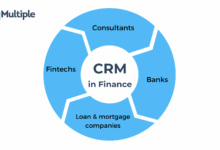

Understanding AI Capabilities in CRM
AI capabilities in CRM software offer advanced functionalities such as predictive analytics, sentiment analysis, and natural language processing. AI analyzes customer data to provide valuable insights, automates repetitive tasks, and personalizes customer interactions based on individual preferences.
Implementing AI in CRM Systems
Integrating AI into existing CRM systems involves identifying business needs, selecting the right AI-Powered CRM software, and training employees on how to effectively use AI features. Challenges may arise during implementation, but proper planning and support can help overcome obstacles.
Measuring Success with AI in CRM
Key metrics to measure AI success in CRM include customer retention rates, satisfaction scores, and sales forecasting accuracy. AI technology can significantly improve customer relationships, leading to increased revenue and business growth. Case studies of companies like Amazon and Netflix showcase the positive impact of AI on CRM strategies.
Features of AI-Powered CRM Software
AI-Powered CRM software offers a range of features that enhance customer relationship management and optimize business processes. Let’s delve into the key features and functionalities of AI in CRM systems.
Automation of Routine Tasks
AI automates repetitive tasks in CRM systems, such as data entry, lead scoring, and email responses. This streamlines workflows, increases efficiency, and allows employees to focus on more strategic activities.
Customer Data Analysis and Segmentation
AI analyzes vast amounts of customer data to provide insights into customer behavior, preferences, and trends. This enables businesses to segment their customer base effectively and tailor marketing strategies to individual needs.
Customization Options
AI-Powered CRM solutions offer customization options to adapt the software to specific business requirements. Users can customize dashboards, workflows, and reports to align with their unique processes and goals.
Enhanced Customer Engagement and Personalization
AI enhances customer engagement by providing personalized recommendations, targeted marketing campaigns, and proactive customer support. This leads to higher customer satisfaction and loyalty.
Integration Capabilities
AI-Powered CRM software seamlessly integrates with other business tools and platforms, such as marketing automation software, e-commerce platforms, and social media channels. This ensures a unified view of customer interactions across various touchpoints.
Scalability for Growing Business Needs
AI-Powered CRM solutions are scalable to accommodate the evolving needs of growing businesses. Whether it’s managing a larger customer base, expanding into new markets, or adding new product lines, AI ensures flexibility and scalability in CRM operations.
Implementation and Integration
Implementing AI-Powered CRM software in an organization involves several crucial steps to ensure a successful integration and utilization of the technology. From initial assessment to vendor selection, customization, training, and monitoring, each phase plays a vital role in maximizing the benefits of AI in CRM systems.
Step-by-Step Process
- Initial Assessment: Evaluate the organization’s current CRM system and identify areas where AI can enhance efficiency and productivity.
- Vendor Selection: Research and choose a reputable AI-Powered CRM software provider that aligns with the organization’s goals and requirements.
- Customization: Work closely with the vendor to customize the AI software to meet specific business needs and ensure seamless integration with existing systems.
- Training: Provide comprehensive training to employees on how to use the AI-Powered CRM software effectively and leverage its capabilities for improved customer management.
- Monitoring: Continuously monitor the performance of the AI technology, gather feedback from users, and make necessary adjustments to optimize its functionality.
Technical Challenges
- Data Compatibility Issues: Ensuring that the data from existing CRM systems can be seamlessly integrated into the AI-Powered CRM software without loss or corruption.
- API Configurations: Configuring APIs to allow smooth communication between different systems and enable data exchange for enhanced insights and analysis.
- Security Concerns: Implementing robust security measures to protect sensitive customer data and prevent unauthorized access to AI-enhanced CRM systems.
Comparison Table of AI-Powered CRM Software
| Software | Key Features | Benefits |
|---|---|---|
| Software A | AI-driven analytics, personalized customer insights | Improved customer engagement, targeted marketing strategies |
| Software B | Automated lead scoring, predictive analytics | Enhanced sales performance, revenue growth |
| Software C | Natural language processing, chatbot integration | Efficient customer support, streamlined communication |
Expert Recommendation: “Preparing employees for the adoption of AI in CRM requires a focus on change management strategies and effective communication to address any concerns and ensure a smooth transition.”
Case Study Analysis
In a recent case study, Company XYZ implemented AI-Powered CRM software and saw a significant improvement in operational efficiency. Before the integration, customer data management was time-consuming and prone to errors. However, after adopting AI technology, the company experienced streamlined processes, personalized customer interactions, and a notable increase in sales productivity.
Data Management and Security
Effective data management and security are crucial aspects of AI-Powered CRM software. The system must handle and protect customer data to ensure privacy and compliance with regulations.
Data Protection and Compliance
- AI-Powered CRM software employs advanced encryption techniques to secure customer data. Encryption helps in safeguarding sensitive information from unauthorized access.
- Strict access controls are implemented to restrict unauthorized users from accessing confidential data. This ensures that only authorized personnel can view and manipulate customer information.
Data Cleaning and Maintenance
- AI capabilities assist in data cleaning, enrichment, and maintenance within CRM systems. This helps in ensuring that the data stored is accurate, up-to-date, and relevant for effective decision-making.
- AI tools such as machine learning algorithms can automatically identify and correct errors in data, improving the overall quality and reliability of customer information.
Data Governance and Disaster Recovery
- CRM platforms utilize AI tools for data governance, allowing businesses to establish and enforce policies regarding data usage and access. This helps in maintaining data integrity and compliance with regulations.
- Regular data backups and disaster recovery plans are essential components of CRM systems. These measures ensure that in case of data loss or system failure, businesses can quickly recover and resume operations without significant disruptions.
On-Premises vs. Cloud-Based CRM Solutions
- When comparing on-premises and cloud-based CRM solutions, it’s important to consider data security measures. While on-premises solutions provide businesses with greater control over their data, cloud-based solutions offer enhanced security protocols and scalability.
- Cloud-based CRM systems often feature robust security measures such as encryption, multi-factor authentication, and continuous monitoring for potential threats. These measures help in safeguarding customer data stored in the cloud.
Personalization and Customer Experience
AI plays a crucial role in enhancing customer experience through personalized interactions. By leveraging AI-powered CRM software, businesses can tailor their communication and offerings to meet the unique needs and preferences of individual customers. This level of personalization leads to more meaningful interactions, increased customer satisfaction, and ultimately, improved loyalty.
Creating Targeted Marketing Campaigns and Recommendations
AI enables businesses to analyze vast amounts of customer data to create targeted marketing campaigns and recommendations. By understanding customer behavior, preferences, and purchase history, AI can suggest relevant products or services to customers, increasing the likelihood of conversion. This targeted approach not only boosts sales but also enhances the overall customer experience.
- AI-driven personalization leads to higher customer satisfaction and loyalty as customers feel valued and understood.
- Successful AI-based customer experience strategies include personalized product recommendations, targeted email campaigns, and tailored promotions based on individual customer preferences.
- Implementing AI for personalized customer interactions involves data collection, analysis, segmentation, and automation to deliver personalized experiences at scale.
Benefits of AI-Driven Personalization vs. Traditional Approaches
- AI-driven personalization offers real-time insights and recommendations based on individual customer behavior, leading to more relevant and timely interactions.
- Traditional customer service approaches often rely on manual processes and generalized messaging, which may not effectively address the specific needs of each customer.
- AI utilizes data sources such as customer interactions, purchase history, social media activity, and website behavior to create personalized experiences.
Real-Time Data Analysis for Personalized Customer Experiences
AI-powered CRM software enables businesses to analyze customer data in real-time, allowing for immediate adjustments and personalized interactions. By leveraging real-time insights, businesses can tailor their communication and offerings on the spot, providing a seamless and personalized customer experience.
Ethical Considerations in AI-Powered Personalization
It’s essential for businesses to prioritize customer privacy and data protection when using AI for personalized interactions. Transparency, consent, and data security are crucial aspects to consider to build trust with customers.
Automation and Workflow Optimization
Automation plays a crucial role in streamlining workflows and improving efficiency within AI-Powered CRM systems. By leveraging AI technology, organizations can automate repetitive tasks, reduce manual workloads, and enhance overall productivity.
Efficiency Gains and Cost Savings
- AI automation eliminates the need for manual data entry, allowing employees to focus on more strategic tasks.
- Automated workflows reduce human errors and enable faster response times to customer inquiries.
- By automating routine processes, organizations can achieve significant cost savings in terms of time and resources.
Intelligent Workflows in AI-Powered CRM
- AI-Powered CRM systems can intelligently route leads, assign tasks, and prioritize customer interactions based on predefined rules and criteria.
- Intelligent workflows use AI algorithms to optimize processes, identify patterns, and make data-driven decisions in real-time.
- By automating workflows, organizations can ensure consistency in customer engagement and improve overall operational efficiency.
Use Cases
- Automating email responses and follow-ups based on customer behavior and preferences can lead to higher engagement rates and conversions.
- AI-driven chatbots can handle customer inquiries 24/7, providing instant support and freeing up human agents for more complex tasks.
- Automated lead scoring and nurturing processes can help sales teams prioritize high-quality leads and increase conversion rates.
Integration with Other Technologies
Integrating AI-Powered CRM software with other technologies such as IoT or big data analytics can provide organizations with a competitive edge and valuable insights. By combining these tools within CRM systems, businesses can streamline processes, enhance decision-making, and improve overall customer experiences.
Synergies between AI, CRM, and Emerging Technologies
- IoT Integration: Connecting AI-powered CRM with IoT devices can enable real-time data collection and analysis, allowing businesses to personalize interactions and anticipate customer needs.
- Big Data Analytics: Integrating AI with advanced analytics tools can help organizations leverage massive amounts of data to gain actionable insights, optimize marketing strategies, and predict customer behavior.
Benefits of Combining AI with Other Tools
- Improved Decision-Making: By integrating AI with CRM systems, businesses can make data-driven decisions based on real-time insights and predictive analytics.
- Enhanced Personalization: Combining AI with other technologies allows for highly personalized customer interactions, tailored marketing campaigns, and targeted recommendations.
Future Integrations and Advancements
- AI-Driven Automation: The integration of AI with CRM systems will continue to advance automation capabilities, streamlining workflows, and increasing operational efficiency.
- Enhanced Predictive Analytics: Future integrations may focus on enhancing predictive analytics within CRM platforms, enabling businesses to anticipate customer needs and trends more accurately.
Industry Applications and Case Studies
AI-Powered CRM software has revolutionized the way businesses across various industries interact with their customers. Let’s delve into the specific industries where AI-driven CRM solutions have proven to be most beneficial and explore some compelling case studies showcasing successful implementations.
Retail Industry
The retail sector has been a frontrunner in adopting AI-Powered CRM software to enhance customer experiences, personalize marketing campaigns, and optimize inventory management. One notable case study is the implementation of AI in a major retail chain, which resulted in a significant increase in sales by leveraging customer data and predictive analytics.
Healthcare Sector
In the healthcare industry, AI-driven CRM solutions have been instrumental in improving patient engagement, streamlining appointment scheduling, and providing personalized medical recommendations. A case study involving a leading hospital showcased a remarkable reduction in patient wait times and enhanced patient satisfaction through the implementation of AI-powered CRM.
Financial Services
Financial institutions have witnessed remarkable improvements in customer retention, fraud detection, and personalized financial advice with the integration of AI in CRM systems. A case study involving a top banking institution demonstrated a substantial increase in cross-selling opportunities and a significant reduction in fraudulent activities after implementing AI-powered CRM solutions.
Travel and Hospitality
The travel and hospitality industry has leveraged AI-Powered CRM software to deliver personalized travel recommendations, optimize pricing strategies, and enhance customer loyalty programs. A case study in the hotel sector showed a notable increase in customer satisfaction scores and repeat bookings by implementing AI-driven CRM solutions to tailor experiences based on guest preferences.
Ethical Considerations and Bias Mitigation
In the realm of AI-Powered CRM software, it is crucial to address ethical considerations and mitigate bias to ensure fair and transparent customer management practices.
Data Privacy and Algorithmic Bias
- Data privacy concerns arise when collecting and analyzing customer data for CRM purposes. It is essential to obtain explicit consent and protect sensitive information.
- Algorithmic bias can lead to unfair treatment of certain customer groups based on flawed data or preconceived notions. Regular audits and monitoring are necessary to identify and correct biases.
- Implementing diverse and inclusive datasets can help reduce bias in AI algorithms and ensure equitable outcomes for all customers.
Transparency and Accountability
- Transparency in AI algorithms used for CRM allows customers to understand how their data is being processed and empowers them to make informed decisions.
- Accountability ensures that companies take responsibility for the outcomes of AI-powered decisions and are held liable for any unethical practices or biases.
- Establishing clear guidelines and policies on data usage and algorithmic decision-making can enhance trust and credibility in AI-CRM systems.
Ethical Dilemmas and Best Practices
- Ethical dilemmas may arise when balancing business objectives with customer privacy and fairness. Companies must prioritize ethical principles over profit-driven motives.
- Best practices involve regular ethical audits, stakeholder engagement, and continuous training for employees to uphold ethical standards in AI-CRM implementations.
- Creating ethical review boards or committees can provide oversight and guidance on complex ethical challenges faced in AI-powered customer management.
Comparative Analysis of Ethical Frameworks
- Various ethical frameworks, such as consequentialism, deontology, and virtue ethics, can be applied to AI in CRM to evaluate ethical implications and decision-making processes.
- Each framework offers unique perspectives on how to approach ethical dilemmas and ensure that AI technologies are used responsibly in customer relationship management.
Decision-Making Flowchart for Ethical Evaluation
When evaluating the ethical implications of AI-CRM systems, developers can use a decision-making flowchart to assess potential biases, privacy concerns, and fairness issues before implementation.
Case Study on Ethical Considerations in AI-CRM
In a scenario where a company implements AI technologies for customer relationship management, ethical considerations play a crucial role in safeguarding customer rights, ensuring data privacy, and mitigating biases to enhance overall customer experience.
Training and Skill Development
In order to effectively utilize AI-Powered CRM software, employees require specific training to leverage the full potential of this technology. Let’s delve into the training needs and skills necessary for maximizing the benefits of AI tools in customer relationship management.
Training Needs for Employees
- Basic understanding of AI concepts and technologies
- Training on how to navigate and use the AI-Powered CRM software
- Education on interpreting AI-driven insights and analytics
- Continuous learning to keep up with advancements in AI technology
Skills Required to Leverage AI Tools
- Data analysis and interpretation skills
- Critical thinking and problem-solving abilities
- Strong communication skills to effectively communicate insights
- Adaptability to new technologies and tools
Tips for Upskilling Teams
- Encourage continuous learning through workshops and seminars
- Provide hands-on training opportunities with the AI-Powered CRM software
- Offer certifications or online courses in AI and CRM integration
- Promote a culture of curiosity and experimentation with AI technologies
Resources and Training Programs
- Online courses on platforms like Coursera, Udemy, and LinkedIn Learning
- Vendor-specific training programs offered by AI-Powered CRM software providers
- Industry conferences and events focused on AI in CRM applications
- In-house training sessions conducted by AI experts within the organization
Future Trends and Innovations
Artificial Intelligence (AI) has been rapidly transforming the customer relationship management (CRM) landscape, and the future holds even more exciting developments in AI-powered CRM software. Let’s delve into the predicted trends and innovations that are expected to shape the future of AI-driven CRM systems.
Enhanced Customer Insights
- AI-powered CRM software is expected to provide deeper customer insights by leveraging advanced analytics and machine learning algorithms.
- Emerging technologies such as natural language processing (NLP) and sentiment analysis will enable businesses to understand customer sentiments and preferences more accurately.
- Personalized recommendations and predictive analytics will become more sophisticated, allowing companies to anticipate customer needs and behavior with greater accuracy.
Integration with Augmented Reality (AR) and Virtual Reality (VR)
- Future AI-powered CRM systems are likely to integrate AR and VR technologies to enhance customer engagement and provide immersive experiences.
- AR and VR can be utilized for virtual product demos, interactive customer support, and virtual shopping experiences, offering a more interactive and personalized approach to customer interactions.
- This integration will revolutionize the way customers interact with brands, creating unique and memorable experiences that drive loyalty and satisfaction.
Automation of Hyper-Personalization
- AI-driven CRM systems will automate hyper-personalization by analyzing vast amounts of customer data in real-time to deliver highly personalized experiences at scale.
- Behavior-based segmentation and dynamic content generation will enable businesses to tailor their communications and offerings to individual customers’ preferences and behaviors.
- Hyper-personalization will not only enhance customer satisfaction but also drive customer loyalty and retention, leading to increased revenue and profitability.
Vendor Landscape and Comparison
When it comes to AI-Powered CRM software solutions, there are several key vendors in the market offering a range of features to cater to different business needs. It is essential for organizations to carefully evaluate these vendors based on their features, pricing, customer reviews, and overall competitive landscape before making a decision.
Key Vendors Offering AI-Powered CRM Software
- Salesforce: A well-known player in the CRM market, offering AI-powered solutions like Salesforce Einstein for personalized customer experiences.
- Microsoft Dynamics 365: Provides AI capabilities through Dynamics 365 AI, enabling businesses to automate processes and gain insights.
- Oracle CX Cloud: Offers AI-driven features for marketing, sales, and customer service to enhance customer interactions.
- SAP Customer Experience: Integrates AI technologies to deliver predictive analytics and personalized recommendations.
Comparison of Features, Pricing, and Customer Reviews
- Salesforce: Known for its user-friendly interface and extensive customization options, but can be expensive for small businesses.
- Microsoft Dynamics 365: Offers seamless integration with other Microsoft products and competitive pricing, but may lack some advanced AI capabilities.
- Oracle CX Cloud: Provides robust AI functionalities but can be complex to implement and customize according to specific requirements.
- SAP Customer Experience: Known for its scalability and comprehensive features, but may require additional investment for full utilization of AI capabilities.
Factors to Consider When Selecting an AI-Powered CRM Vendor
- Compatibility with existing systems and infrastructure
- Scalability and flexibility for future growth
- Training and support provided by the vendor
- Data security and compliance measures
Competitive Landscape Analysis in the AI-CRM Software Market
- Increasing competition leading to innovation and advancements in AI technologies
- Rapidly evolving features and functionalities to meet changing customer demands
- Emerging vendors entering the market with niche AI solutions catering to specific industries
Implementation Best Practices and Tips
Implementing AI-powered CRM software successfully requires careful planning and execution. Here are some best practices and tips to ensure a smooth integration and maximize the return on investment:
Optimizing AI Capabilities within a CRM Platform
- Identify specific pain points and objectives to address with AI technology.
- Collaborate with cross-functional teams to align AI implementation with business goals.
- Configure AI algorithms and models to match the unique needs of your organization.
- Regularly monitor and analyze AI performance to make necessary adjustments for optimization.
Avoiding Common Pitfalls in Deploying AI-Powered CRM Solutions
- Underestimating the importance of data quality and data preparation for AI integration.
- Overlooking the need for ongoing training and upskilling of employees to leverage AI capabilities.
- Ignoring feedback from end-users and stakeholders during the implementation process.
- Not setting clear KPIs and metrics to measure the impact of AI on CRM performance.
Training Staff on AI Features in CRM Software
- Develop comprehensive training programs that cover both basic and advanced AI functionalities.
- Provide hands-on practice sessions and real-world examples to reinforce learning.
- Offer continuous support and resources for employees to enhance their AI skills over time.
Integrating AI Algorithms with CRM Data for Decision-Making
- Map out data sources and establish data governance protocols to ensure data accuracy and consistency.
- Create seamless data pipelines to feed AI models with relevant and up-to-date information.
- Use AI-driven insights to personalize customer interactions, improve forecasting, and streamline business processes.
Ensuring Data Security Protocols in AI Implementation
- Implement robust encryption methods to protect sensitive customer data and AI algorithms.
- Regularly audit and update security measures to adapt to evolving cybersecurity threats.
- Comply with data privacy regulations and industry standards to maintain trust with customers.
Ending Remarks
In conclusion, AI-Powered CRM Software stands as a game-changer in modern business practices, offering unparalleled insights and efficiencies. Embracing this technology can lead to enhanced customer experiences and long-term success for any organization willing to adapt.
