CRM Software for Small Business streamlines customer data management, enhances communication, and automates marketing campaigns. Let’s delve into how this software can revolutionize small business operations.
Importance of CRM Software for Small Businesses
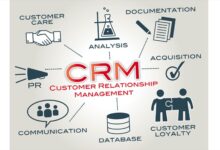
CRM software plays a crucial role in helping small businesses manage customer data effectively. By centralizing customer information in one place, businesses can easily track interactions, purchases, and preferences to provide personalized services.

Streamlining Communication with Customers
- CRM software enables small businesses to streamline communication with customers by storing all interactions in one place, including emails, phone calls, and meetings.
- Automated reminders and notifications help businesses stay on top of follow-ups and maintain consistent communication with customers.
Automating Marketing Campaigns and Lead Management
- CRM software allows small businesses to automate marketing campaigns by segmenting customers based on their behavior and preferences.
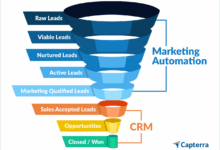
- Lead management becomes more efficient with CRM software, helping businesses track and nurture leads through the sales funnel.
Data Analytics and Reporting Features
- CRM software provides small businesses with valuable data analytics and reporting features to track customer trends, sales performance, and marketing ROI.
- By analyzing this data, businesses can make informed decisions to improve customer relationships and drive growth.
Integration with Other Business Tools
- Integrating CRM software with email marketing platforms or e-commerce systems allows small businesses to streamline operations and enhance customer experience.
- By syncing data across different tools, businesses can provide a seamless and personalized experience to customers at every touchpoint.
Types of CRM Software Suitable for Small Businesses
When it comes to choosing CRM software for small businesses, it’s essential to consider the different types available in the market. In this section, we will discuss the comparison between cloud-based CRM software and on-premise solutions, the benefits of customizable CRM options, and the importance of mobile-friendly CRM software for small businesses with remote teams.
Cloud-Based CRM Software vs. On-Premise Solutions
- Cloud-Based CRM Software:
- Accessible from anywhere with an internet connection
- Scalable and flexible pricing options
- No need for extensive IT infrastructure
- Automatic updates and maintenance
- On-Premise Solutions:
- Requires upfront hardware and software investment
- Offers greater control over data security and customization
- May require dedicated IT staff for maintenance
- Less susceptible to internet connectivity issues
Benefits of Customizable CRM Software
Customizable CRM software allows small businesses to tailor the system to their specific needs and workflows. This customization can lead to improved efficiency, better customer insights, and increased user adoption. Some benefits of customizable CRM software include:
- Adaptability to unique business processes
- Enhanced data organization and management
- Improved user experience and satisfaction
- Ability to integrate with other business tools and software
Importance of Mobile-Friendly CRM Software for Remote Teams
Mobile-friendly CRM software is crucial for small businesses with remote teams as it allows employees to access customer data, update records, and collaborate on-the-go. The benefits of mobile-friendly CRM software include:
- Increased productivity and efficiency for remote workers
- Real-time access to critical customer information
- Improved communication and collaboration among team members
- Ability to respond to customer inquiries quickly and effectively
Implementing CRM Software in Small Businesses
Implementing CRM software in small businesses can significantly improve customer relationships, streamline processes, and boost overall efficiency. Here is a step-by-step guide on how small businesses can effectively implement CRM software:
Step-by-Step Guide for CRM Software Implementation:
- 1. Define Goals and Objectives: Begin by clearly outlining what you aim to achieve with CRM software. Whether it’s improving customer retention, increasing sales, or enhancing customer service, having clear goals is crucial.
- 2. Choose the Right CRM Software: Select a CRM software that aligns with your business needs and budget. Consider factors like scalability, customization options, and user-friendliness.
- 3. Customize the CRM Software: Tailor the CRM software to suit your specific business requirements. This may involve setting up custom fields, workflows, and reports.
- 4. Data Migration: Transfer existing customer data into the CRM system to ensure a seamless transition. Clean and organize data to avoid any discrepancies.
- 5. Training and Onboarding: Provide comprehensive training to employees on how to use the CRM software effectively. Ensure they understand its functionalities and benefits.
- 6. Integration with Existing Systems: Integrate the CRM software with other tools and systems used in your business to maximize efficiency and data flow.
- 7. Monitor and Evaluate: Continuously monitor the performance of the CRM software and gather feedback from users. Make necessary adjustments to optimize its usage.
Challenges and Solutions for Small Businesses:
- Challenge: Resistance to Change – Some employees may resist adopting new technology.
- Solution: Communicate the benefits of CRM software, provide adequate training, and involve employees in the implementation process.
- Challenge: Data Security Concerns – Small businesses may worry about data breaches or loss.
- Solution: Implement robust security measures, restrict access to sensitive data, and regularly back up information.
Best Practices for Training Employees:
- 1. Hands-On Training: Offer practical, hands-on training sessions to help employees familiarize themselves with the CRM software.
- 2. Provide Ongoing Support: Offer continuous support and resources to address any questions or issues that may arise during software usage.
- 3. Encourage Adoption: Incentivize employees to use the CRM software effectively and recognize their efforts in implementing it.
Integrating CRM Software with Existing Business Processes
Integrating CRM software with existing business processes is crucial for small businesses to streamline operations and improve efficiency. By seamlessly blending CRM software with other tools and systems, businesses can enhance customer relationships, boost sales, and drive growth.
Key Considerations for Integration
When integrating CRM software with other tools and systems in small businesses, it is essential to consider the following key factors:
- Compatibility: Ensure that the CRM software is compatible with existing tools and systems to avoid any technical glitches.
- Data Migration: Properly migrate customer data from existing systems to the CRM software to maintain continuity and accuracy.
- User Training: Provide adequate training to employees on how to use the integrated CRM software effectively.
- Customization: Tailor the CRM software to align with specific business processes and requirements for optimal performance.
Benefits of Integrating CRM with Marketing Automation Tools
Integrating CRM software with marketing automation tools can deliver several benefits for small businesses:
- Personalized Marketing: Combine customer data from CRM with automation tools to create targeted and personalized marketing campaigns.
- Improved Lead Nurturing: Automate lead nurturing processes based on CRM data to convert leads into customers effectively.
- Enhanced Customer Engagement: Utilize integrated tools to engage customers across different channels and touchpoints for better interactions.
Examples of Successful Integration Strategies
Successful integration strategies for CRM software in small business operations include:
- Integrating CRM with Email Marketing Platforms: Syncing CRM data with email marketing platforms to send personalized emails based on customer interactions and preferences.
- CRM Integration with E-commerce Platforms: Connecting CRM software with e-commerce platforms to track customer purchases, preferences, and behavior for targeted marketing.
- CRM Integration with Help Desk Software: Integrating CRM with help desk software to provide seamless customer support and resolve issues efficiently.
Customization and Scalability of CRM Software for Small Businesses
Customization and scalability are crucial aspects of CRM software for small businesses, allowing them to adapt to their unique needs and grow with their expanding business.
Importance of Customizable Features
- Customizable features in CRM software enable small businesses to tailor the system to their specific requirements, processes, and workflows.
- This customization ensures that the CRM software aligns perfectly with the business operations, enhancing efficiency and productivity.
- Examples of customizable features include personalized dashboards, custom fields, and unique data entry forms.
Scalability for Business Growth
- Scalable CRM software can accommodate the growth of small businesses by expanding its capabilities and capacity as the business expands.
- It allows businesses to seamlessly add more users, data, and functionalities without disrupting the existing operations.
- As the business grows, the CRM software can scale up to meet the increasing demands and complexities of the organization.
Tailoring CRM Software to Fit Unique Processes
- Small businesses can tailor CRM software by configuring workflows, automations, and notifications to match their specific processes.
- This customization ensures that the software aligns with the business’s unique requirements and enhances overall efficiency.
- By customizing fields, layouts, and modules, businesses can create a personalized CRM solution that caters to their individual needs.
Integrating Third-party Plugins
- Integrating third-party plugins or extensions into CRM software can enhance its functionality and provide additional features tailored to small businesses.
- Plugins can add new capabilities such as email marketing, social media integration, reporting tools, and more, expanding the CRM software’s utility.
- By leveraging third-party integrations, small businesses can optimize their CRM system to meet their specific requirements and improve overall performance.
Setting Up Automated Workflows
- Automated workflows in CRM software streamline processes by automating repetitive tasks, notifications, and follow-ups for small businesses.
- Businesses can set up rules and triggers to automatically move leads through the sales pipeline, send personalized emails, and schedule follow-up activities.
- Automating workflows not only saves time but also improves efficiency, reduces errors, and ensures consistent communication with customers.
Data Management and Security in CRM Software for Small Businesses
CRM software plays a crucial role in managing customer data securely for small businesses. It helps in organizing and storing customer information efficiently, ensuring easy access and retrieval when needed.
Importance of Data Encryption and Access Controls
- Implementing data encryption in CRM software ensures that sensitive customer information is protected from unauthorized access. This helps in maintaining the confidentiality and integrity of the data.
- Setting up access controls allows small businesses to define who can view, edit, or delete customer data within the CRM system. This helps in preventing data breaches and unauthorized modifications to the information.
Best Practices for Data Backup and Disaster Recovery
- Regularly backing up customer data in CRM software ensures that in case of any data loss or system failure, the information can be restored without significant disruptions to business operations.
- Utilizing cloud-based backup solutions can provide small businesses with a secure and off-site storage option for their CRM data, offering additional protection against data loss due to on-premise issues.
- Creating a comprehensive disaster recovery plan that includes steps for data recovery and system restoration is essential for small businesses using CRM software. This ensures that they can quickly recover from any unexpected incidents that may affect their customer data.
Cost Considerations for CRM Software in Small Businesses
When it comes to implementing CRM software in small businesses, cost considerations play a crucial role in the decision-making process. Small businesses need to carefully assess the pricing models of different CRM software options available to find the most cost-effective solution that meets their needs.
Comparing Pricing Models
- Subscription-Based Model: Many CRM software providers offer a subscription-based pricing model, where businesses pay a monthly or annual fee per user. This model allows for scalability and flexibility in terms of adding or removing users based on business needs.
- Perpetual License Model: Some CRM software solutions offer a one-time licensing fee for unlimited use of the software. While this may require a larger upfront investment, it can be more cost-effective in the long run for small businesses.
- Free/Open-Source CRM Software: Small businesses can also opt for free or open-source CRM software options, which can be a budget-friendly alternative. However, it’s essential to consider support, customization, and security aspects when choosing this option.
Budgeting Tips for Small Businesses
- Identify Key Features: Prioritize essential features that align with your business goals to avoid overspending on unnecessary functionalities.
- Consider Scalability: Choose a CRM software that can grow with your business to avoid frequent upgrades or migrations that can incur additional costs.
- Training and Support: Factor in the costs of training your team and ongoing support from the CRM software provider to ensure successful implementation and utilization.
- Integration Costs: Evaluate any additional costs associated with integrating CRM software with existing systems or third-party applications to streamline operations and data management.
Maximizing ROI
- Set Measurable Goals: Define clear objectives and key performance indicators (KPIs) to track the impact of CRM software on your business processes and customer relationships.
- User Adoption: Encourage active participation and training for all users to maximize the benefits of CRM software and ensure a high ROI.
- Data Analysis: Leverage CRM data analytics tools to gain insights into customer behavior, trends, and preferences that can drive strategic decision-making and improve ROI.
Reporting and Analytics Features in CRM Software for Small Businesses
CRM software offers valuable reporting and analytics features that can help small businesses track important metrics, make data-driven decisions, and gain actionable insights to improve their operations.
Key Metrics to Track Using CRM Software
- Customer Acquisition Cost (CAC)
- Customer Lifetime Value (CLV)
- Sales Conversion Rates
- Lead Response Time
- Customer Retention Rate
Benefits of Reporting and Analytics Tools
- Identifying trends and patterns in customer behavior
- Evaluating the effectiveness of marketing campaigns
- Improving customer satisfaction and loyalty
Setting Up Custom Reports in CRM Software
Creating custom reports tailored to small business needs involves:
- Identifying specific metrics to track
- Choosing the right report templates
- Customizing the layout and design of reports
- Scheduling automated report generation
Comparison of CRM Platforms for Reporting Capabilities
Different CRM platforms offer varying reporting capabilities for small businesses, such as:
HubSpot CRM: Provides detailed sales and marketing analytics
Salesforce CRM: Offers customizable dashboards and real-time reporting
Zoho CRM: Focuses on data visualization and trend analysis
Integrating Third-Party Analytics Tools
Integrating third-party analytics tools with CRM software can enhance data analysis by:
- Combining CRM data with external data sources
- Utilizing advanced analytics and predictive modeling
- Generating comprehensive reports for better decision-making
Customer Support and Training Services for Small Business CRM Software
Reliable customer support and comprehensive training programs are crucial factors to consider when choosing CRM software for small businesses.
Importance of Reliable Customer Support Services
Having reliable customer support ensures that small businesses can get timely assistance when facing issues with the CRM software. This minimizes downtime and keeps operations running smoothly.
Benefits of Comprehensive Training Programs
Comprehensive training programs offered by CRM software providers help small businesses maximize the use of the software’s features. This leads to better adoption rates and improved efficiency in managing customer relationships.
Enhancing CRM Software Experience
Good customer support and training can enhance the overall CRM software experience for small businesses by providing personalized guidance, troubleshooting assistance, and continuous learning opportunities.
Detailed Comparison of Customer Support Services
When choosing a CRM software provider, it is essential to compare the quality of customer support services offered. Factors to consider include response time, expertise of support staff, and availability of support channels.
Maximizing Training Programs
- Attend all training sessions provided by the CRM software vendor.
- Engage with trainers to ask questions and seek clarification on features.
- Utilize online resources and tutorials offered by the vendor for self-paced learning.
Types of Customer Support Channels
| CRM Software Provider | Customer Support Channels |
|---|---|
| Provider A | Phone, Email, Live Chat |
| Provider B | Email, Live Chat |
| Provider C | Phone, Email |
Troubleshooting Common CRM Software Issues
Before contacting customer support, try restarting the software, checking for updates, and reviewing user guides for solutions to common issues.
Industry-Specific CRM Solutions for Small Businesses
Industry-specific CRM solutions are tailored to meet the unique needs and challenges faced by small businesses operating in specific sectors such as e-commerce, real estate, or professional services. These specialized CRM software options offer targeted features and functionalities that cater to the particular requirements of each industry, providing small businesses with a competitive edge and helping them streamline their operations more effectively.
E-commerce CRM Solutions
E-commerce CRM software is designed to manage customer relationships, track sales, and optimize marketing efforts specifically for online retail businesses. This type of CRM solution typically includes features like customer segmentation based on purchase history, personalized marketing campaigns, and integration with e-commerce platforms to provide a seamless shopping experience for customers.
- Automated order processing and inventory management
- Integration with popular e-commerce platforms like Shopify or WooCommerce
- Customer behavior tracking and personalized product recommendations
Real Estate CRM Solutions
Real estate CRM software helps small businesses in the property industry manage leads, track property listings, and nurture client relationships effectively. This industry-specific CRM solution offers features such as property database management, lead scoring, and automated email campaigns to help real estate agents streamline their sales process and close deals faster.
- Lead capture and distribution for property inquiries
- Property listing management with photo galleries and virtual tours
- Task automation for follow-ups and appointment scheduling
Professional Services CRM Solutions
CRM software for professional services firms, such as consulting or legal practices, focuses on managing client relationships, project timelines, and billing processes efficiently. This industry-specific CRM solution typically includes features like time tracking, invoicing, and client portal access to enhance communication and collaboration with clients.
- Project management tools for tracking tasks and deadlines
- Integration with accounting software for seamless invoicing
- Client portal for document sharing and secure communication
Mobile CRM Applications for Small Businesses
Mobile CRM applications are essential tools for small businesses with field sales teams, as they offer numerous benefits in terms of flexibility, efficiency, and improved customer interactions. These applications enable sales representatives to access real-time data, manage customer relationships on the go, and streamline sales processes, ultimately leading to increased productivity and sales revenue.
Benefits of Using Mobile CRM Applications for Small Businesses
Mobile CRM applications empower field sales teams by providing instant access to customer information, sales data, and communication tools regardless of their location. This allows sales representatives to respond promptly to customer inquiries, update information in real-time, and access sales collateral during client meetings. By eliminating the need for manual data entry and paperwork, mobile CRM applications save time and increase efficiency, enabling sales teams to focus on building relationships and closing deals.
Features of User-Friendly and Efficient Mobile CRM Applications
– Intuitive User Interface: Mobile CRM applications are designed with user-friendly interfaces that are easy to navigate, ensuring sales representatives can quickly access the information they need.
– Offline Access: Many mobile CRM applications offer offline access capabilities, allowing sales teams to continue working even in areas with poor or no internet connectivity.
– Integration with Other Apps: Mobile CRM applications can integrate with other business tools and communication platforms, such as email, calendar, and messaging apps, to streamline workflows and enhance productivity.
– Location Tracking: Some mobile CRM applications include GPS tracking features, enabling managers to monitor field sales team activities and optimize routes for efficient customer visits.
Examples of How Mobile CRM Applications Improve Productivity for Small Businesses on the Go
– Real-Time Updates: Sales representatives can update customer information, track sales progress, and access sales reports in real-time, ensuring they have the latest data available for decision-making.
– Enhanced Customer Interactions: With mobile CRM applications, sales teams can personalize customer interactions, track communication history, and provide timely follow-ups, leading to improved customer satisfaction and loyalty.
– Increased Efficiency: By having access to all relevant information and tools on their mobile devices, sales representatives can work more efficiently, reduce administrative tasks, and focus on revenue-generating activities.
CRM Software Integration with E-commerce Platforms for Small Businesses
Integrating CRM software with popular e-commerce platforms like Shopify or WooCommerce can offer numerous advantages for small businesses. By combining these systems, businesses can streamline order processing, enhance customer management, and improve overall efficiency in their online operations.
Advantages of CRM Software Integration with E-commerce Platforms
- Centralized Customer Data: CRM integration allows businesses to access all customer information in one place, enabling personalized interactions and targeted marketing campaigns.
- Automated Processes: Integration automates tasks like order tracking, inventory management, and customer communication, saving time and reducing manual errors.
- Improved Customer Experience: By understanding customer behavior and preferences, businesses can provide better service, leading to increased loyalty and repeat sales.
Successful Examples of CRM Software Integration in E-commerce
- Company X saw a 20% increase in customer retention after integrating CRM software with their Shopify store, resulting in higher sales and customer satisfaction.
- Business Y streamlined their order fulfillment process by integrating CRM software with WooCommerce, reducing shipping delays and improving inventory management.
Key Features for CRM Software Integration with E-commerce Platforms
- Real-time Data Sync: Ensure that the CRM software can sync data seamlessly with the e-commerce platform to provide up-to-date information on orders, customers, and inventory.
- Customizable Automation: Look for CRM software that allows customization of automation rules to suit the specific needs and workflows of the e-commerce business.
- Integration Support: Choose a CRM solution that offers robust integration support for popular e-commerce platforms and provides easy setup and maintenance.
Challenges and Solutions in CRM Software Integration for E-commerce
- Challenge: Data Migration Issues – To overcome this, businesses should conduct thorough data mapping and testing before the integration process to ensure a smooth transition.
- Challenge: Training and Adoption – Providing comprehensive training to employees on using the integrated CRM system can help in faster adoption and utilization of its features.
CRM Software for Small Businesses’ Customer Engagement Strategies
Customer engagement is crucial for small businesses to build strong relationships and foster customer loyalty. CRM software plays a vital role in personalizing customer interactions and enhancing engagement to drive business growth.
Utilizing Data Analysis for Customer Preferences
Data analysis is essential in CRM software for identifying customer preferences and behavioral patterns. By analyzing customer data, small businesses can tailor their marketing strategies and communication efforts to meet the unique needs of individual customers.
- Utilize customer data to segment your customer base and create targeted marketing campaigns.
- Identify trends and patterns in customer behavior to anticipate their needs and preferences.
- Personalize customer interactions based on past purchase history and engagement with your business.
Streamlining Communication with Automation Features
Automation features in CRM software can streamline communication processes and enhance the overall customer experience. By automating routine tasks, small businesses can focus on building meaningful relationships with their customers.
- Automate follow-up emails and reminders to stay in touch with customers.
- Set up automated responses to customer inquiries to provide quick and efficient support.
- Create automated workflows to ensure consistency in communication and customer engagement.
Integrating CRM Software with Marketing Automation Platforms
Integrating CRM software with marketing automation platforms can provide a comprehensive approach to customer engagement. By combining customer data and marketing tools, small businesses can create targeted campaigns that resonate with their audience.
- Sync customer data between CRM and marketing automation platforms for a unified view of customer interactions.
- Create personalized marketing campaigns based on customer behavior and preferences stored in CRM software.
- Track the effectiveness of marketing campaigns through CRM analytics and reporting tools to optimize future engagement strategies.
Measuring Success with CRM Software Analytics
CRM software analytics and reporting tools are essential for measuring the success of customer engagement initiatives. Small businesses can track key metrics, such as customer satisfaction scores and conversion rates, to gauge the impact of their engagement strategies.
- Monitor customer engagement metrics to identify areas for improvement and growth opportunities.
- Generate reports to track the ROI of customer engagement initiatives and adjust strategies accordingly.
- Use CRM analytics to gain insights into customer behavior and preferences, enabling data-driven decision-making for future engagement efforts.
Trends and Innovations in CRM Software for Small Businesses
In today’s fast-paced business environment, staying ahead of the curve with the latest trends and innovations in CRM software is crucial for small businesses to remain competitive and effectively manage customer relationships.
AI-driven Automation and Chatbots in CRM Software
AI-driven automation and chatbots are revolutionizing CRM software for small businesses by streamlining processes, improving response times, and enhancing customer interactions. These technologies enable businesses to automate repetitive tasks, provide personalized customer service, and gather valuable insights into customer behavior.
Evolution of Cloud-based CRM Solutions
Cloud-based CRM solutions are evolving to meet the changing needs of small businesses by offering scalability, flexibility, and cost-effectiveness. These solutions allow businesses to access real-time data, streamline collaboration, and adapt to dynamic market conditions without the need for extensive IT infrastructure.
Innovative Features Reshaping CRM Software
Innovative features such as advanced analytics, machine learning algorithms, and social media integration are reshaping CRM software for small businesses. These functionalities empower businesses to analyze customer data, predict trends, and engage with customers across multiple channels to drive growth and profitability.
Personalized Customer Experiences and Customer Loyalty
Personalized customer experiences through CRM software play a pivotal role in enhancing customer retention and loyalty for small businesses. By leveraging customer data, businesses can tailor their offerings, anticipate needs, and create meaningful interactions that foster long-term relationships with customers.
Data Analytics and Predictive Modeling in CRM Strategies
Data analytics and predictive modeling are essential components of CRM strategies for small businesses, enabling them to gain actionable insights, forecast customer behavior, and optimize marketing efforts. By harnessing data-driven intelligence, businesses can make informed decisions and improve the overall effectiveness of their CRM initiatives.
Integration Capabilities with Other Business Tools
CRM software’s integration capabilities with other business tools, such as email marketing platforms and e-commerce systems, enable small businesses to create a unified ecosystem for managing customer interactions. Seamless integration enhances efficiency, enhances data consistency, and empowers businesses to deliver a cohesive customer experience across all touchpoints.
Case Studies of Small Businesses Successfully Using CRM Software
CRM software has proven to be a game-changer for small businesses looking to streamline their operations, boost customer relationships, and drive growth. Let’s delve into real-life case studies of small businesses that have successfully leveraged CRM software to achieve remarkable results.
Case Study 1: Online Retail Store
- One small online retail store implemented CRM software to track customer preferences, purchase history, and interactions.
- By utilizing targeted email campaigns and personalized recommendations based on CRM data, the store saw a 20% increase in customer retention.
- Customer satisfaction ratings also soared, leading to a 15% rise in repeat purchases and overall revenue growth.
Case Study 2: Marketing Agency
- A small marketing agency adopted CRM software to manage client accounts, track leads, and streamline communication within the team.
- With the help of automated follow-ups and task reminders, the agency improved client response times by 30% and project completion rates by 25%.
- The agency also saw a 40% increase in lead conversions and client referrals, attributing the success to the CRM software’s efficiency in managing customer relationships.
Case Study 3: Service-Based Business
- A small service-based business integrated CRM software to centralize customer information, schedule appointments, and monitor service requests.
- Through automated appointment reminders and personalized service recommendations, the business experienced a 25% reduction in no-shows and a 15% increase in service bookings.
- Employee productivity also improved by 20% as the CRM software streamlined workflows and enhanced customer interactions.
Key Takeaways
- CRM software can significantly impact small businesses by improving customer relationships, increasing operational efficiency, and driving revenue growth.
- Personalization, automation, and data-driven insights are key features within CRM software that have contributed to the success of small businesses across various industries.
- Statistics and metrics from these case studies showcase tangible benefits such as increased customer retention, higher conversion rates, and improved customer satisfaction levels.
Last Point
In conclusion, CRM Software for Small Business offers a multitude of benefits from data analytics to customer engagement strategies. Implementing this software can propel small businesses towards success in today’s competitive market.
