Affordable CRM Software for Startups introduces a crucial tool for emerging businesses, offering insights into the key features and benefits that drive success in a competitive market.
As startups navigate the intricate landscape of customer relationship management, finding the right CRM software can make all the difference in establishing a solid foundation for growth and sustainability.
Understanding the Importance of CRM for Startups
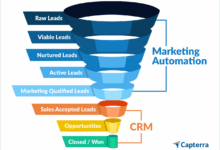
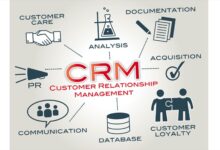
CRM (Customer Relationship Management) software plays a crucial role in helping startups manage their interactions with customers and potential leads efficiently. Let’s delve into the key features of CRM software that make it essential for startups.
Key Features of CRM Software for Startups
- Centralized Customer Database: CRM software allows startups to store all customer information in one place, providing easy access to important data.
- Automated Task Management: Helps in automating repetitive tasks, such as sending follow-up emails, scheduling appointments, and tracking customer interactions.
- Lead Management: Enables startups to track and manage leads effectively, ensuring timely follow-ups and personalized communication.
- Analytics and Reporting: Provides valuable insights through data analytics, helping startups make informed decisions and identify trends.
Implementing CRM Software for Startups
Implementing CRM software effectively can be a game-changer for startups. Here’s a step-by-step guide on how startups can do it:
- Evaluate Your Needs: Identify the specific requirements and goals you want to achieve with CRM software.
- Choose the Right CRM Software: Research and compare different CRM options to find the one that best suits your startup’s needs and budget.
- Train Your Team: Provide adequate training to your team members to ensure they understand how to use the CRM software efficiently.
- Customize and Integrate: Customize the CRM software to align with your startup’s processes and integrate it with other tools for seamless operations.
- Monitor and Optimize: Regularly monitor the performance of the CRM software and optimize its usage to maximize benefits.
CRM Software Options for Startups and Case Studies
There are various CRM software options available for startups, each offering unique features. Some popular choices include Salesforce, HubSpot, and Zoho CRM. Let’s now explore case studies of successful startups that attribute their growth to the implementation of CRM software.
Challenges and Solutions in CRM Adoption for Startups
While adopting CRM software can bring numerous benefits, startups may face challenges such as resistance from employees and data migration issues. To overcome these challenges, startups can provide adequate training, communicate the benefits of CRM software, and seek assistance from experts if needed.
Role of Data Analytics in CRM Software for Startups
Data analytics plays a crucial role in CRM software for startups by providing valuable insights into customer behavior, preferences, and trends. This data-driven approach enables startups to make informed decisions, personalize customer interactions, and optimize their marketing strategies.
Key Features to Look for in Affordable CRM Software
When selecting a CRM software for your startup, it is important to prioritize key features that can help streamline operations and improve customer interactions. Here are some essential features to consider:
Data Management
- Centralized customer database to store and manage customer information.
- Customizable fields to track specific data points relevant to your business.
- Integration capabilities with other tools and platforms for seamless data flow.
Automation and Workflow
- Automated tasks like email responses, lead scoring, and follow-ups to save time and increase efficiency.
- Workflow automation to streamline processes and ensure consistency in customer interactions.
- Reminder and notification features to stay on top of important tasks and deadlines.
Reporting and Analytics
- Customizable reports and dashboards to track key performance metrics and analyze trends.
- Integration with BI tools for advanced analytics and data visualization.
- Forecasting capabilities to predict sales trends and make informed business decisions.
Customer Support and Engagement
- Multi-channel support for communication through email, phone, chat, and social media.
- Customer segmentation and targeting features for personalized marketing campaigns.
- Feedback and survey tools to gather customer insights and improve satisfaction.
Cost-Effective CRM Solutions for Startups
Startups often operate on tight budgets, making it essential to find cost-effective CRM solutions that provide value without breaking the bank. By choosing the right CRM software, startups can streamline their customer management processes and boost productivity.
Identifying Budget-Friendly CRM Software Options
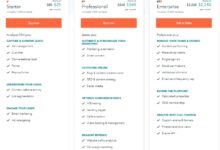
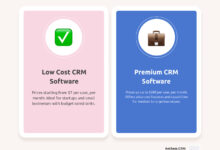
When looking for affordable CRM solutions, startups can consider options like Zoho CRM, HubSpot CRM, and Freshsales. These platforms offer pricing plans tailored to the needs of small businesses, providing essential features at a fraction of the cost of enterprise-level CRM software.
Comparison of Pricing Plans
| CRM Provider | Pricing Plan | Key Features |
|---|---|---|
| Zoho CRM | Starting at $12/user/month | Lead management, contact management, sales forecasting |
| HubSpot CRM | Free plan available, paid plans start at $45/month | Email tracking, pipeline management, reporting |
| Freshsales | Starting at $15/user/month | Email integration, built-in phone, workflow automation |
Maximizing Value of Affordable CRM Solutions
Startups can make the most of cost-effective CRM software by focusing on the core features that align with their business goals. It’s essential to customize the CRM system to meet specific needs, train employees effectively, and utilize analytics to track performance and customer interactions. By leveraging affordable CRM solutions effectively, startups can enhance customer relationships and drive growth without compromising on quality.
Customization and Scalability in CRM Software
Customization and scalability are crucial aspects of CRM software for startups as they allow businesses to tailor the system to meet their specific needs and grow alongside their business. Here, we will delve into the significance of customizable CRM solutions, the impact of scalability on long-term effectiveness, and best practices for startups to customize and scale their CRM systems effectively.
Importance of Customizable CRM Solutions
- Customizable CRM solutions enable startups to adapt the software to their unique processes, workflows, and customer interactions.
- By customizing the CRM system, startups can enhance user adoption, improve data accuracy, and streamline operations for increased efficiency.
- Personalizing the CRM software allows startups to focus on specific metrics, reports, and functionalities that align with their business goals and objectives.
Impact of Scalability on CRM Software
- Scalability in CRM software ensures that the system can accommodate the growing needs of a startup, such as increasing data volume, user base, and customer interactions.
- A scalable CRM system can support business expansion, new features integration, and enhanced capabilities without compromising performance or user experience.
- Lack of scalability can lead to system limitations, decreased efficiency, and hindrance in adapting to changing business requirements, impacting long-term growth and success.
Best Practices for Customizing and Scaling CRM Systems
- Startups should identify their unique customization needs based on industry requirements, customer preferences, and growth projections.
- Establish clear objectives and outcomes for CRM customization, involving key stakeholders and users to gather insights and feedback.
- Regularly review and update CRM customization based on evolving business needs, technological advancements, and market trends to stay competitive.
Steps to Identify Unique CRM Customization Needs
- Conduct a thorough analysis of current business processes, customer interactions, and data management practices.
- Engage with cross-functional teams to gather feedback, insights, and pain points related to CRM usage and functionality.
- Define key performance indicators (KPIs) and metrics that align with business goals and objectives to determine customization priorities.
- Map out customer journeys, sales processes, and service workflows to pinpoint areas for customization and optimization.
Comparison Table: Scalability Features of CRM Software Options
| CRM Software | Scalability Features |
|---|---|
| CRM A | Cloud-based scalability, customizable modules, integration with third-party apps |
| CRM B | Scalable user licenses, automated data migration, flexible API for customization |
| CRM C | Vertical scalability for industry-specific needs, scalable storage options, advanced reporting capabilities |
Integrating Third-Party Applications with CRM Systems
- Integrating third-party applications with CRM systems allows startups to enhance functionality, automate processes, and streamline data flow.
- Common integrations include email marketing tools, e-commerce platforms, social media channels, and analytics software to enrich CRM capabilities.
- Startups should evaluate integration options based on compatibility, ease of implementation, and potential benefits to maximize CRM customization and scalability.
Case Studies of Successful CRM Customization and Scaling
Startup X implemented customized CRM workflows to streamline lead management and customer engagement, resulting in a 30% increase in sales conversions within six months.
Startup Y integrated scalable CRM modules for sales forecasting and pipeline management, leading to a 20% reduction in customer acquisition costs and a 15% growth in revenue.
Startup Z leveraged third-party integrations to enhance CRM reporting capabilities and automate repetitive tasks, saving valuable time and resources while improving data accuracy.
Integration Capabilities with Other Tools
When it comes to using CRM software for startups, integrating with other tools can significantly enhance efficiency and productivity. Let’s explore how CRM software can be seamlessly integrated with project management tools, email marketing platforms, accounting software, and social media management tools.
Setting Up Integrations with Project Management Tools
Integrating CRM software with project management tools allows startups to streamline communication and collaboration between sales and project teams. Some popular CRM software like Salesforce, HubSpot CRM, and Zoho CRM offer integrations with project management tools such as Trello, Asana, and Monday.com. By syncing customer data with project tasks and timelines, teams can ensure a cohesive approach to managing client relationships and project deliverables.
Advantages of Syncing Customer Data with Email Marketing Platforms
Syncing customer data between CRM and email marketing platforms like Mailchimp, Constant Contact, or Sendinblue enables startups to create targeted email campaigns based on customer behavior and preferences. By integrating CRM software with email marketing tools, startups can personalize communication, track campaign performance, and nurture leads effectively.
Integrating CRM Software with Accounting Software
Integrating CRM software with accounting software such as QuickBooks or Xero facilitates seamless financial data management for startups. By syncing customer invoices, payments, and financial transactions, startups can gain a comprehensive view of customer interactions and financial health. This integration streamlines the billing process and ensures accurate financial reporting.
Impact of Integrating CRM with Social Media Management Tools
Integrating CRM software with social media management tools like Hootsuite, Buffer, or Sprout Social can enhance customer engagement and brand visibility for startups. By syncing social media interactions with CRM data, startups can track customer interactions across platforms, respond to inquiries promptly, and personalize social media campaigns. This integration helps startups build stronger relationships with customers and boost brand awareness on social media channels.
User-Friendly Interface and Ease of Implementation
Having a user-friendly interface in CRM software is crucial for startups as it ensures smooth navigation and adoption of the system. Here are some tips for startups to easily implement and adopt CRM systems:
Importance of User-Friendly Interface
- A user-friendly interface reduces the learning curve for employees, leading to quicker adoption of the CRM system.
- It enhances productivity by allowing users to easily access and input data without confusion.
- A streamlined interface can improve user satisfaction and overall efficiency within the organization.
Key Features for a User-Friendly CRM Interface
- Intuitive layout and design with clear navigation menus for easy access to different functions.
- Customizable dashboards that allow users to personalize their view and access important information at a glance.
- Responsive design that adapts to different devices, ensuring accessibility from anywhere.
Customizing CRM Interface for Specific Needs
To customize the CRM interface for specific needs, startups can follow these steps:
- Identify the key data points and metrics important for your business.
- Create custom fields and modules to capture unique information relevant to your operations.
- Organize the layout of the interface to prioritize the most critical information for easy access.
Employee Training for CRM Software
Effective training for employees on using CRM software is essential for successful implementation:
- Provide hands-on training sessions with real-life scenarios to help employees understand the practical application of the CRM system.
- Offer continuous support and resources for employees to refer back to when needed.
Successful Startups Utilizing Intuitive CRM Interfaces
Many successful startups have leveraged CRM systems with intuitive interfaces for their growth, such as:
“Company X streamlined their sales process by customizing their CRM interface to track customer interactions more effectively.”
“Startup Y increased customer retention rates by training their employees to utilize the CRM software for personalized outreach.”
Data Security and Compliance Considerations
Data security and compliance are crucial aspects for startups utilizing CRM software. Protecting sensitive customer information and ensuring regulatory adherence are paramount for building trust and credibility in the market.
Importance of Data Security and Compliance
Ensuring data security and compliance is essential to safeguard customer information, maintain trust, and avoid costly penalties for non-compliance. Startups must prioritize these aspects to establish a solid foundation for growth and success.
- Implementing robust encryption protocols to secure data both at rest and in transit.
- Regularly conducting security audits and vulnerability assessments to identify and address potential risks.
- Providing role-based access controls to restrict data access based on user roles and responsibilities.
Key Features for Data Protection and Compliance
When selecting CRM software, startups should look for specific features that enhance data protection and ensure compliance with regulations.
“Data security is not just an IT issue; it is a business priority that requires proactive measures to mitigate risks.”
- End-to-end encryption to protect data from unauthorized access.
- GDPR and CCPA compliance functionalities to adhere to data privacy regulations.
- Regular data backups and disaster recovery plans to prevent data loss.
Examples of Security Measures
Startups should consider CRM software that offers advanced security measures to safeguard customer data effectively.
“Investing in robust data security measures now can save your startup from potential reputational damage and financial losses in the future.”
- Two-factor authentication for an added layer of security during login.
- Activity monitoring and audit trails to track user actions and detect suspicious activities.
- Permission settings to control access to sensitive data and ensure compliance with data protection laws.
Customer Support and Training Options
Customer support and training are crucial aspects for startups utilizing CRM software to ensure successful implementation and optimal usage. Let’s delve deeper into the significance of robust customer support and effective training options for startups.
Importance of Customer Support and Training
Customer support and training play a vital role in the successful adoption and utilization of CRM software by startups. Adequate support ensures that any issues or queries are addressed promptly, leading to a smoother implementation process. Effective training programs equip employees with the necessary skills to leverage the CRM system efficiently, maximizing its potential benefits for the business.
- Personalized Onboarding: Offering personalized onboarding sessions tailored to the specific needs of startups can significantly enhance the understanding and usage of CRM software.
- 24/7 Support: Round-the-clock support through various channels such as phone, live chat, and email can provide startups with timely assistance whenever required.
- Training Materials: Providing comprehensive training materials, including video tutorials, user guides, and FAQs, can empower employees to learn at their own pace and refer back to resources as needed.
- Hands-On Workshops: Conducting hands-on workshops and interactive training sessions can offer practical experience and reinforce learning for startup employees.
- Feedback Mechanisms: Implementing feedback mechanisms to gather insights from users can help CRM providers enhance their support and training programs based on the specific needs of startups.
Case Studies of Successful CRM Implementation in Startups
CRM software has been instrumental in the success of many startups, helping them streamline their processes, improve customer relationships, and boost overall growth. Let’s delve into some real-life examples of startups that have effectively implemented CRM software and reaped the benefits.
Case Study 1: Startup X
Startup X, a tech company specializing in e-commerce solutions, implemented a popular CRM software that allowed them to centralize customer data, track interactions, and automate marketing campaigns. By leveraging CRM, Startup X saw a 30% increase in customer retention and a 25% boost in sales within the first year of implementation.
Case Study 2: Startup Y
Startup Y, a subscription-based service provider, faced challenges in managing customer inquiries and tracking subscription renewals. After integrating a customizable CRM solution tailored to their needs, Startup Y experienced a 40% reduction in response time to customer queries and a 20% increase in subscription renewals.
Case Study 3: Startup Z
Startup Z, a SaaS company catering to small businesses, focused on data analysis and segmentation to target specific customer segments effectively. By utilizing a CRM software with advanced analytics capabilities, Startup Z achieved a 15% increase in lead conversion rates and a 20% growth in customer lifetime value.
Key Takeaways
- CRM software can significantly improve customer retention, sales, and operational efficiency for startups.
- Customizable CRM solutions tailored to the unique needs of startups can drive measurable results in a short period.
- Data analysis and segmentation play a crucial role in optimizing marketing and sales strategies through CRM implementation.
Mobile Accessibility and Remote Work Features
Mobile accessibility and remote work capabilities are crucial aspects of CRM software for startups, especially in today’s digital age where flexibility and efficiency are key. These features allow teams to access important customer data, collaborate, and manage relationships from anywhere, at any time. Let’s explore how these features can benefit startups with distributed teams and the impact they have on productivity and collaboration within startup environments.
Increased Productivity and Collaboration
- Mobile accessibility enables team members to access CRM data on-the-go, allowing for quick responses to customer inquiries and the ability to update information in real-time.
- Remote work features facilitate seamless communication and collaboration among team members, regardless of their physical location, leading to improved teamwork and efficiency.
- Startups with distributed teams can benefit from these features by ensuring that all team members have access to the same up-to-date information, leading to better decision-making and customer service.
Enhanced Customer Experience
- Mobile CRM empowers sales representatives to engage with customers on-the-spot, providing personalized service and building stronger relationships.
- Remote work capabilities enable customer support teams to address issues promptly, leading to improved customer satisfaction and loyalty.
- By utilizing these features, startups can deliver a seamless and consistent customer experience, regardless of where their team members are located.
Reporting and Analytics Tools for Data-Driven Decision Making
Reporting and analytics tools play a crucial role in CRM software for startups by providing valuable insights into customer behavior, sales performance, and overall business operations. These tools enable startups to make informed decisions based on data rather than intuition, leading to improved efficiency and effectiveness in their strategies.
Key Metrics to Track Using CRM Analytics
- Customer Acquisition Cost (CAC): This metric helps startups understand how much it costs to acquire a new customer and can guide marketing and sales budget allocation.
- Customer Lifetime Value (CLV): CLV helps startups determine the long-term value of a customer and tailor their retention strategies accordingly.
- Sales Pipeline Velocity: Tracking the speed at which leads move through the sales pipeline can highlight bottlenecks and areas for improvement.
- Conversion Rates: Monitoring conversion rates at each stage of the sales process can identify areas for optimization and lead to increased revenue.
Data-Driven Decision-Making for Growth and Innovation
Data-driven decision-making empowers startups to identify trends, patterns, and opportunities that may not be immediately apparent. By leveraging CRM analytics, startups can make strategic decisions that drive growth, enhance customer satisfaction, and foster innovation. With accurate and timely data at their disposal, startups can pivot quickly, capitalize on emerging trends, and stay ahead of the competition.
Tips for Choosing the Right CRM Software for Your Startup
When selecting the most suitable CRM software for your startup, it is essential to consider various factors to ensure you make the right choice that aligns with your business needs and goals. Here are some tips to guide you through the decision-making process:
Factors to Consider When Choosing CRM Software
- Assess Your Budget: Determine how much you can afford to invest in CRM software without compromising other essential areas of your business.
- Evaluate Key Features: Identify the must-have features your startup requires in CRM software to enhance customer relationships and streamline operations.
- Consider Scalability: Choose a CRM solution that can grow with your startup as it expands to accommodate increasing data and user requirements.
- Check Integration Capabilities: Ensure the CRM software can seamlessly integrate with other tools and platforms your startup already uses for efficient workflow.
Best Practices for Selecting CRM Software
- Read User Reviews: Gather feedback from other startup owners or businesses using the CRM software to understand its performance and reliability.
- Request Demos: Schedule demos with CRM software providers to see the platform in action and determine if it meets your startup’s needs.
- Consult with Your Team: Involve key team members in the decision-making process to gather insights and perspectives on the CRM software selection.
Comparison Table for CRM Software Options
Use a comparison table to list different CRM software options based on pricing, key features, customer support, and user reviews for easy evaluation.
Assessing Learning Curve and Compatibility
- Check Learning Curve: Evaluate how easy it is to onboard and train your team on using the CRM software efficiently to maximize its benefits.
- Compatibility with Existing Tools: Ensure the CRM software aligns with the tools and systems your startup currently uses to avoid integration challenges.
Checklist for Prioritizing CRM Software Requirements
- Distinguish Essential Features: Identify the core functionalities your startup needs in CRM software to meet its immediate requirements.
- Nice-to-Have Features: List additional features that would be beneficial but are not crucial for the initial stages of CRM implementation in your startup.
Future Trends in CRM Software for Startups
The landscape of CRM software is constantly evolving, especially in the context of startups. As technology advances and customer expectations shift, it is crucial for startups to stay abreast of the latest trends in CRM solutions to remain competitive in the market.
AI-Powered Automation
With the rise of artificial intelligence (AI), CRM software is increasingly incorporating automation features to streamline processes and enhance customer interactions. AI-powered chatbots, predictive analytics, and personalized recommendations are becoming standard features in CRM systems for startups, enabling them to deliver more tailored and efficient customer experiences.
Enhanced Mobile Capabilities
As remote work becomes more prevalent, CRM software for startups is prioritizing mobile accessibility and remote work features. Mobile CRM applications allow teams to access real-time data, collaborate on-the-go, and stay connected with customers from anywhere, fostering flexibility and productivity in a fast-paced startup environment.
Integration with Emerging Technologies
CRM solutions for startups are now integrating with emerging technologies such as Internet of Things (IoT), blockchain, and augmented reality to provide a more holistic view of customer interactions. By leveraging these technologies, startups can gain deeper insights into customer behavior, improve decision-making processes, and drive innovation in their products and services.
Focus on Data Privacy and Compliance
In light of increasing data privacy regulations and concerns, future CRM software for startups will place a greater emphasis on data security and compliance. Solutions that offer robust data encryption, secure cloud storage, and GDPR compliance features will be in high demand among startups looking to protect customer information and build trust.
Personalization and Customer Experience
Personalization is key in the future of CRM software for startups, with a focus on delivering tailored experiences and building strong customer relationships. Advanced CRM systems will enable startups to segment customer data effectively, personalize marketing campaigns, and create targeted communications that resonate with individual preferences and behaviors.
Closing Summary
In conclusion, Affordable CRM Software for Startups serves as a catalyst for efficiency and profitability, empowering businesses to forge lasting connections with customers and propel their ventures to new heights of success.
